

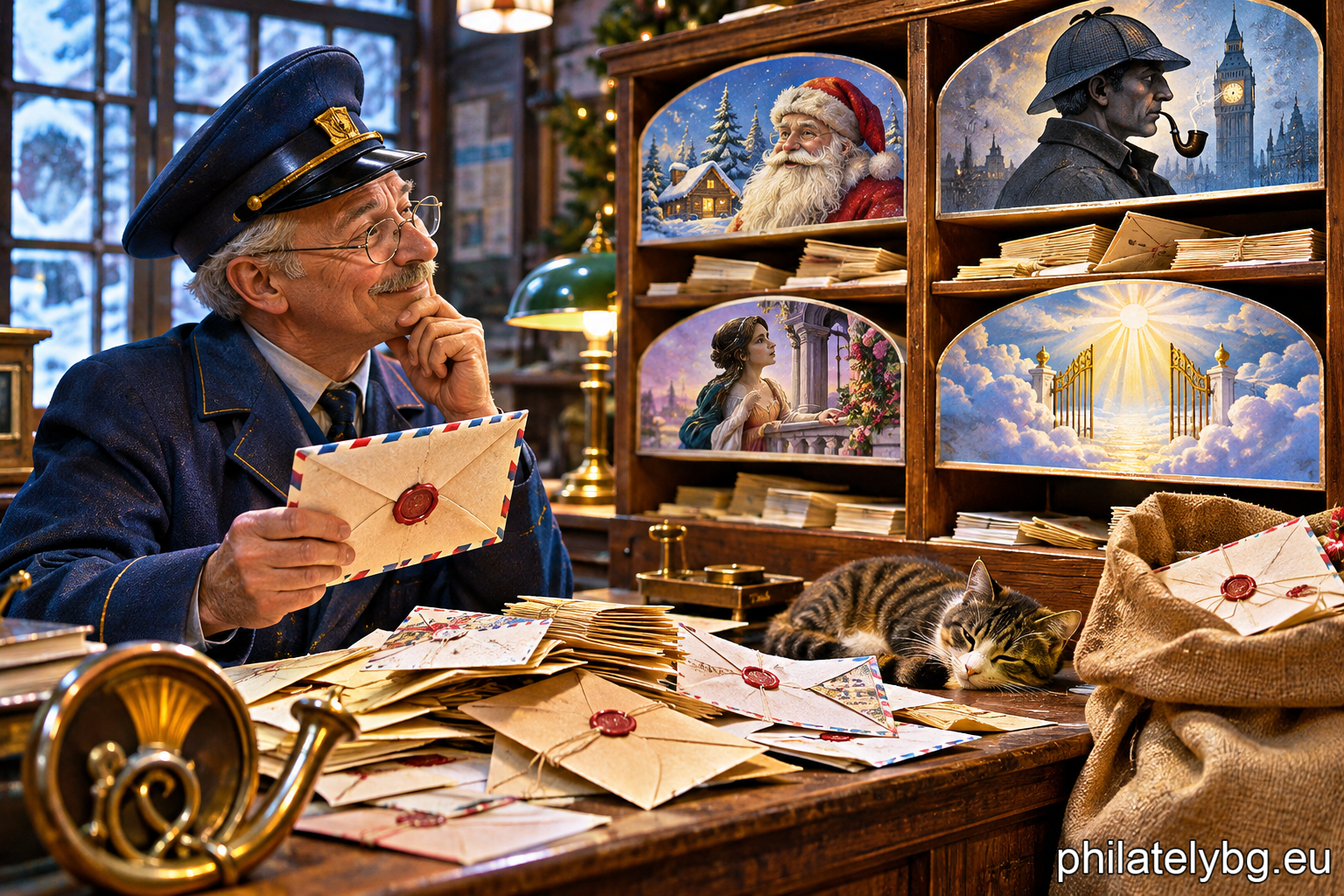
 Every postal system rests on a silent agreement: the envelope has an address, the address has a person, and the person opens the door. Yet for decades letters have been travelling in which that third link is missing - they are addressed to a character in a play, a detective from a novel, a grandfather in a red coat, or straight to God. The curious thing is that post offices do not simply return them marked "Addressee Unknown". They accept them, postmark them and, in many cases, answer. In this way unique postmarks, services with whimsical names and whole sets of rules for dealing with a person who never existed appear in ordinary postal routine.
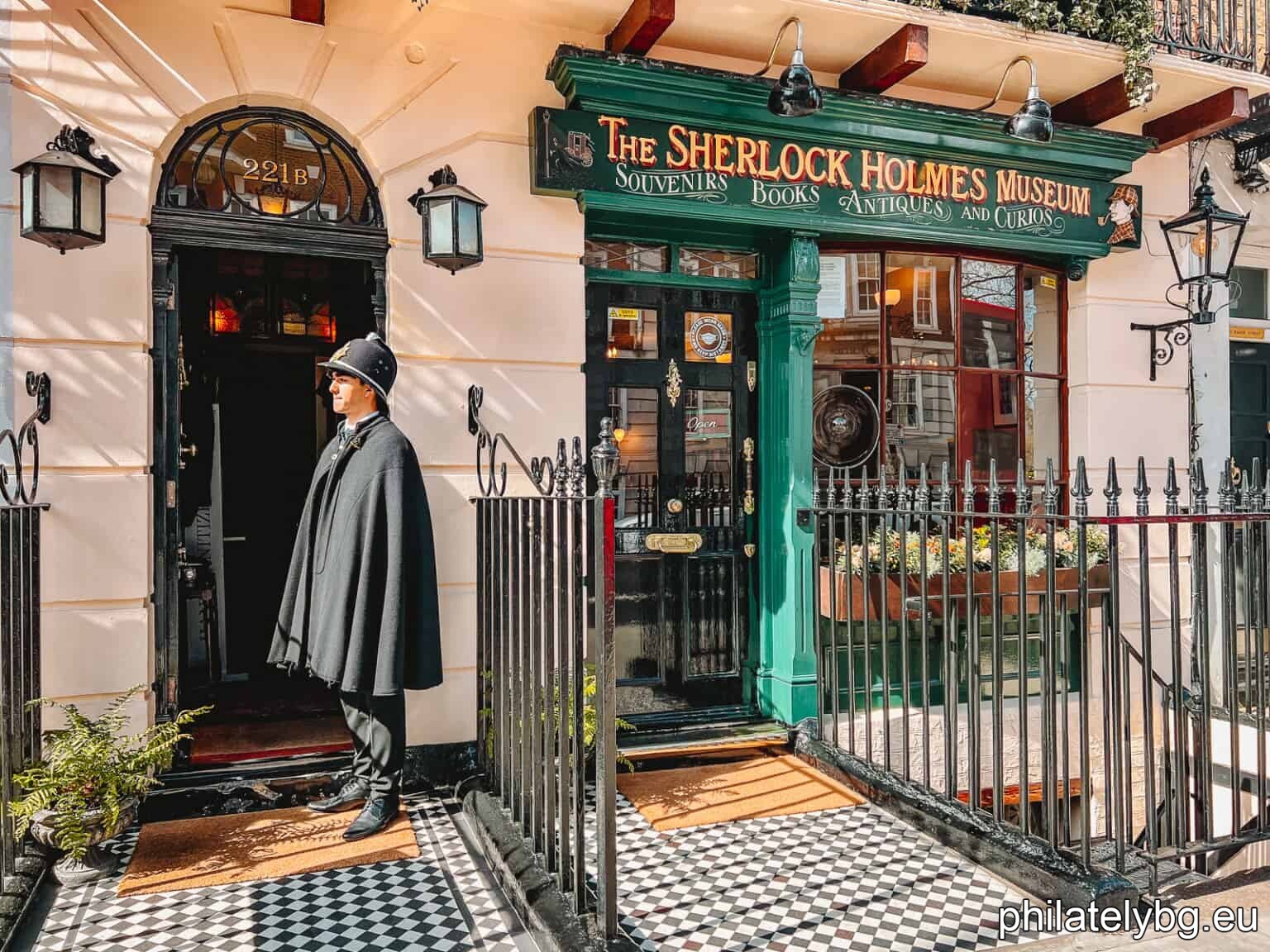 The most famous non-existent address is 221B Baker Street. Arthur Conan Doyle chose it because the street, in his day, did not run to such a high number. The situation changed in the 1930s, when the Abbey National building society moved into premises at 219-229 Baker Street, a range of numbers that covers the legendary address. Letters began to arrive there, and the society decided not to throw them away: it employed a member of staff whose job title was "Secretary to Sherlock Holmes". Some of the replies were politely formal, others were written in the spirit of Holmes himself. The Sherlock Holmes Museum, at 239 Baker Street, which also presents itself as 221B, was in a dispute with the society that lasted about fifteen years. When exactly the secretary lost the job, the sources do not agree: some give 2002, others 2005, when the building was vacated. They also disagree on volume: various texts speak of "hundreds a month", "around 700 a year" and even "tens of thousands a year", so none of the figures should be taken as certain. The secretary Nikki Caparn described the work to The New York Times in 1989.
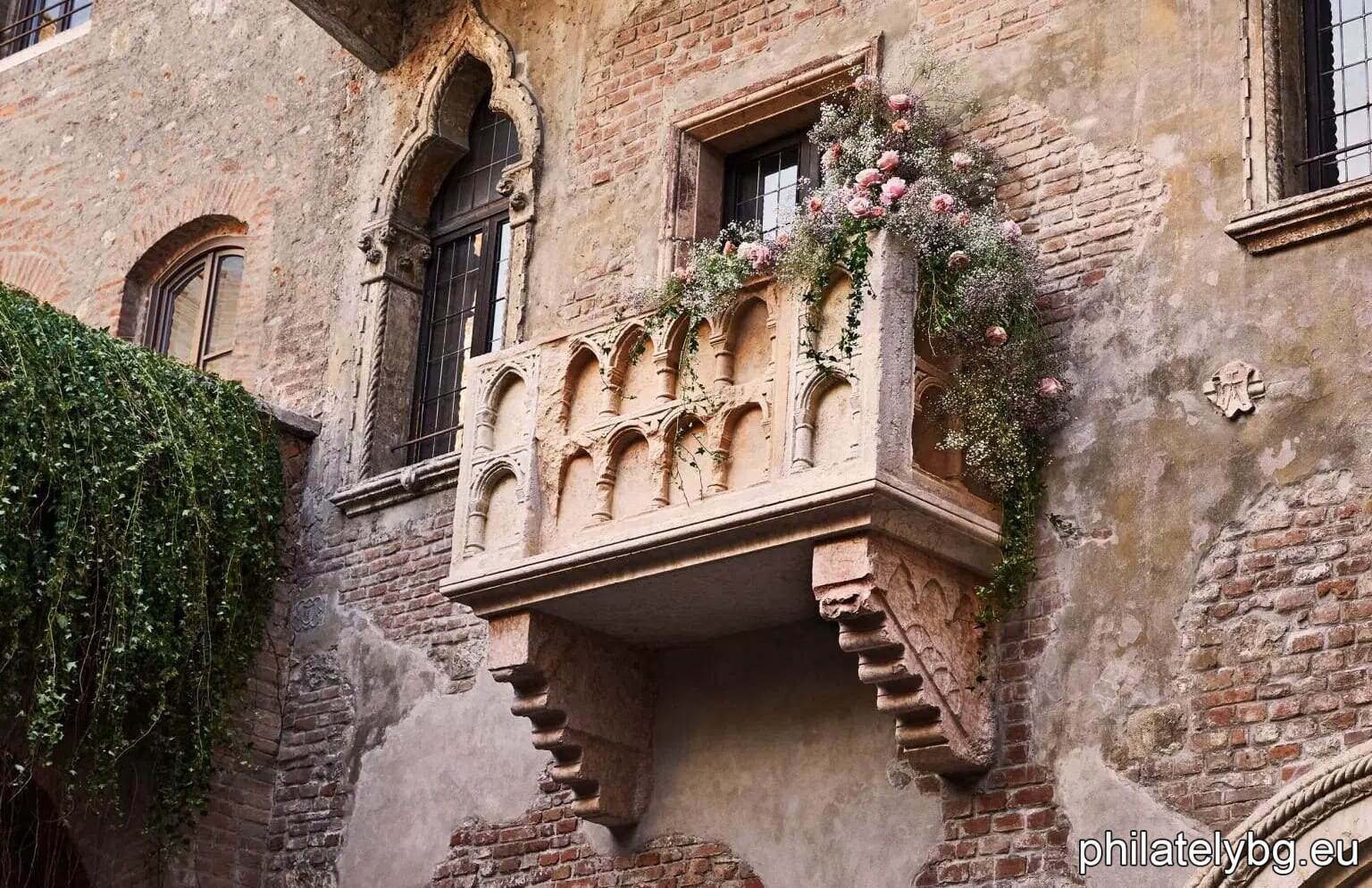 The second great story is in Verona. Letters addressed to "Juliet Capulet, Verona" began to arrive around the house the city presents as the heroine's home - the famous balcony there was in fact built in 1936. At first they were answered by the person who looked after Juliet's tomb, then by the municipality, and finally the "Club di Giulietta" was formed, whose volunteers are called "Juliet's secretaries" and who reply by hand. Even the founding of the club is disputed: according to one source it was the work of the baker Giulio Tamassia in 1993, according to another the beginning dates back to 1972. The figures for the number of letters also differ - from about six thousand to fifty thousand a year. The post, in this case, is rather the door, while the real work is done by a network of people who have turned a literary address into an institution.
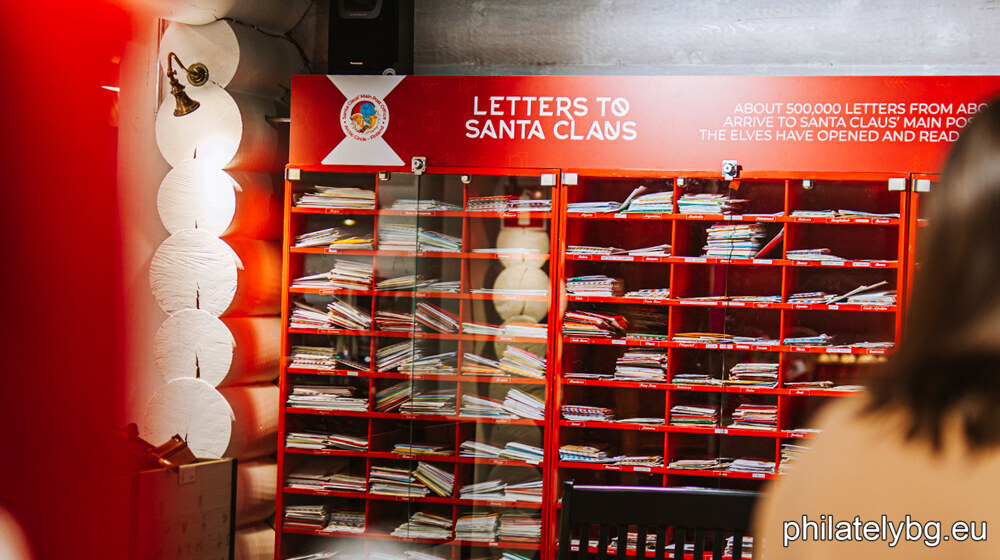 The largest system of all, however, is for Santa Claus, and it has its own postal geography. In the United States in 1912 Postmaster General Frank Hitchcock allowed local postmasters to let employees open letters addressed to Santa; the public joined in adopting the letters from the 1940s onward, and today more than half a million letters pass through the James A. Farley building in New York in a single season, with ID checked on collection and personal data redacted. In Canada, letters to Santa have their own postal code - H0H 0H0 - and a free service that officially dates from 1982, although earlier local initiatives existed; each year more than a million letters are answered in over thirty languages, including Braille. Even the code is disputed: some write that it was introduced in 1982, others in 1983. In France the Père Noël secretariat began in 1962 on the initiative of the Minister of Posts and Telecommunications Jacques Marette, and the first standard reply was written by his sister, the psychoanalyst Françoise Dolto; 5,000 letters came in the first year, today there are over a million, and the replies are prepared by about sixty "elves" in Libourne and are free and need no stamp.
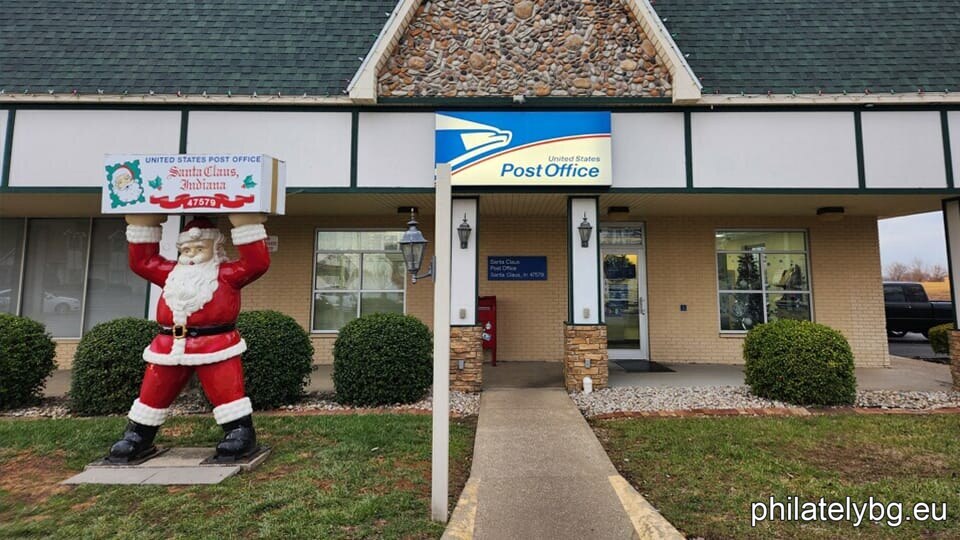 Small towns with the right name find themselves in a particularly fortunate position. Santa Claus, Indiana, was originally called Santa Fee, and when it received a post office in 1856 it already bore the name Santa Claus - the only place in the world with a post office carrying that name. It is known that from 1914 the postmaster James Martin began answering letters addressed to Santa Claus, and that post offices across the country began forwarding to this office letters addressed simply "To Santa"; why and when exactly this flow began, local writers openly admit is unclear. In the 1930s he was helped by Raymond Joseph "Jim" Yellig, who for decades afterwards was the settlement's living Santa Claus, and his daughter Pat Koch has gone on answering letters from the 1940s and continuously since 1960. Today the letters are answered by volunteers - about twelve thousand a year - and more than four hundred thousand envelopes are brought there simply to receive the special postmark. That postmark is pictorial and is chosen every year from a drawing by a local art student; the practice dates from 1983 and the postmark is used from 1 to 24 December. Here philately enters the game in its purest form: a letter to Santa is a children's pastime, but an envelope with the Santa Claus postmark is an object collectors look for.
 Finland has the most precise address Santa Claus could want: "Joulupukin Pääposti" - Santa Claus' Main Post Office, on the Arctic Circle near Rovaniemi. The office receives about half a million letters a year, with the most coming from China, Italy and Poland in 2014, and it replies with more than ten thousand letters a year. Here too the dates are disputed: according to one version the office opened in 1950, according to another the village and the office date from 1985. The first Finnish postmark with both a date and a picture, with the head of a reindeer and the inscription "Napapiiri Polcirkeln", is linked to the visit of Eleanor Roosevelt to the Arctic Circle: one source gives 11 June 1950, another a letter sent on 6 November 1950. Collectors of this post value exactly that: the postmarks of 1950, 1985, 1991 and later years are a separate theme, and the office has its own stamp and its own postmark. In December 2025 the Polish post even sent a special bus carrying thousands of children's letters from Warsaw to Lapland - a journey of more than 1,800 kilometres.
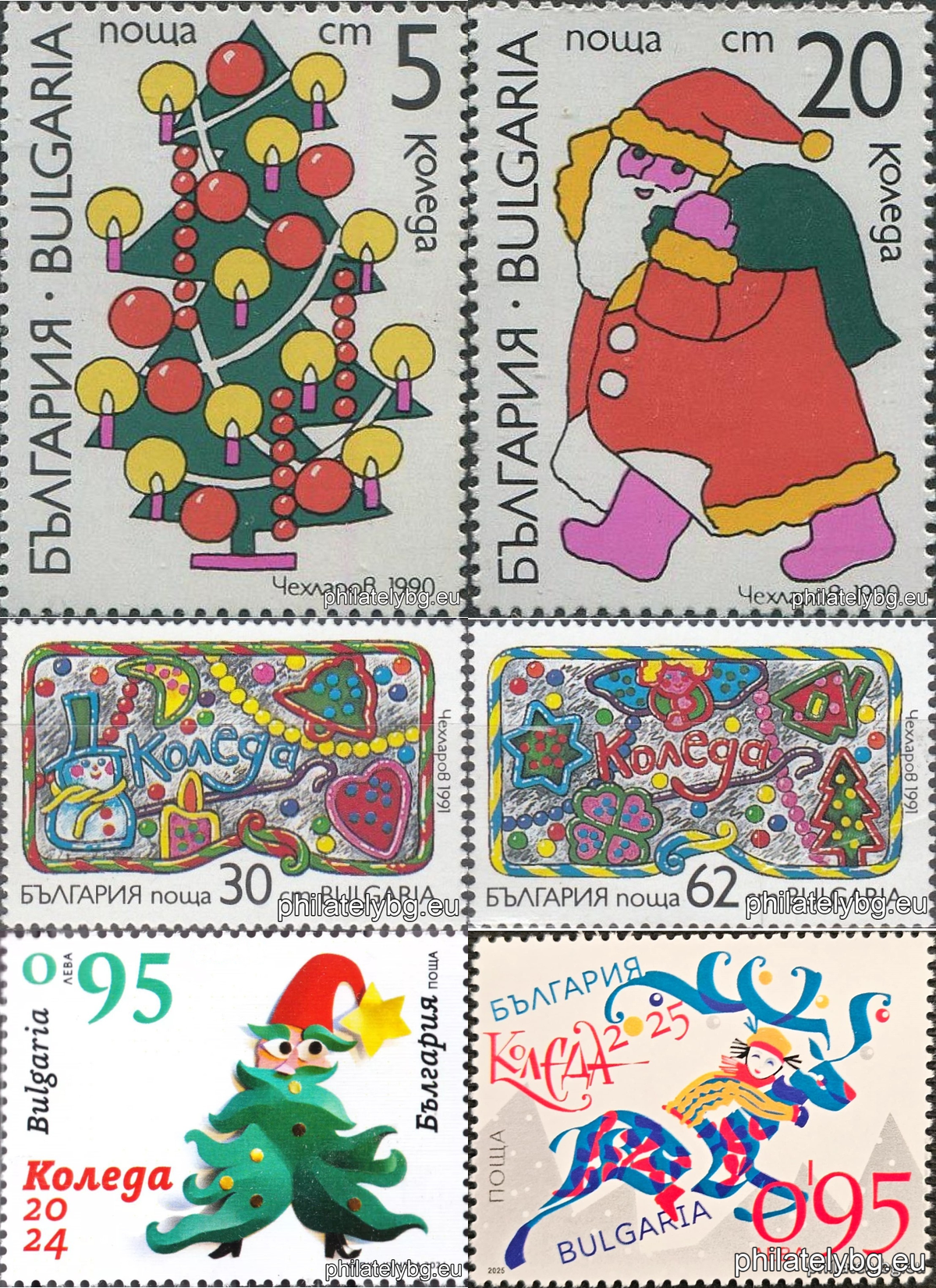 Bulgaria also has its tradition, organised by Bulgarian Posts as the competition "The Most Beautiful Letter to Santa Claus". Letters are sent in an envelope marked "For Santa", with the sender's address and postage paid, usually by 18 December, and everyone who follows the rules receives a personal reply; the prize-winning letters also receive gifts. After the competition ends, the most interesting letters are handed over to the State Archives Agency for permanent storage. The competition has now run for some thirty consecutive years, and letters from children in Razgrad and the region are already part of the local state archive's holdings. Minister of Transport Aleksandar Tsvetkov, who in 2010 posted a letter to Santa from the new post office at the "Opalchenska" metro station, mentioned that Bulgarian children send about 20,000 letters to the gift workshop - a figure given in a public statement, not checked against postal statistics.
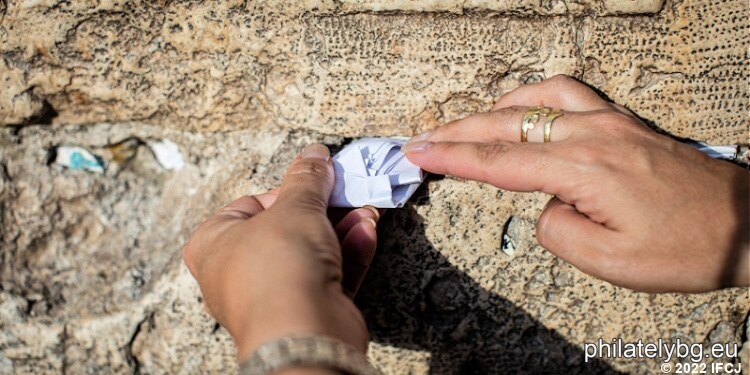 There are also letters to addressees who are neither characters nor mythical. In Jerusalem the post receives letters addressed to God, Jesus or the Western Wall, and directs them to the rabbi of the Wall, Shmuel Rabinovitch, who places them between the stones, usually unopened. Before that, the letters were returned to their senders. Which letters are directed there, the sources describe differently: according to one only those "to God", according to others also letters to Jesus, Mary and King David; the figures are not uniform either - from dozens to about a thousand, and according to some up to two thousand a year. It may be supposed that among them there are both genuine prayers and tourist gestures, but this is not confirmed by the available data.
Finally comes the question of what the post does with genuinely addressless and unclaimed letters. In the United States the first dead letter office opened in 1825 in Washington; it grew to more than 20,000 items a day by about 1893, and in 1992 it was renamed the Mail Recovery Center, in Atlanta. In 2006 about 90 million items were marked as undeliverable as addressed. In practice most ordinary letters there are destroyed or recycled, and are opened only when there is some point in searching for a sender. In Malta the special unit, known first as the Returned Letter Branch, used various postmarks from 1889 onward - and it is precisely such traces that attract collectors. That is why an envelope that reaches Santa Claus, Holmes or Juliet is different from an ordinary letter: it has not reached an addressee, but it has passed through the post, bears its postmarks and often preserves a trace of the reply.
Sources
Abbey National and the Sherlock Holmes Museum (Baker Street), London
Club di Giulietta, Verona
Canada Post
USPS: Operation Santa and Postal Bulletin
La Poste, France
Israel Post and Ynet
Santa Claus Museum & Village and Indiana Historical Bureau, Indiana
Posti, Finland
Bulgarian Posts, BNR and BTA
Ministry of Transport and Communications of Bulgaria
Poczta Polska
Atlas Obscura
99% Invisible
Mental Floss
Wikipedia: Santa Claus' Main Post Office; Dead letter office