Philately Bulgaria – New Generation is a modern platform created for collectors, researchers, and everyone who values postage stamps as cultural and historical heritage. The site combines a scientific approach, modern digital tools, and clearly structured information about Bulgarian and world philately, presented in an accessible and professional way.

📰 Latest News 02 October 2026

News | 100 Years of Airmail in Bulgaria: How One Plane Made Sofia and Varna Neighbors

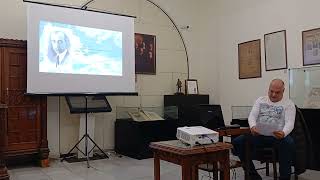
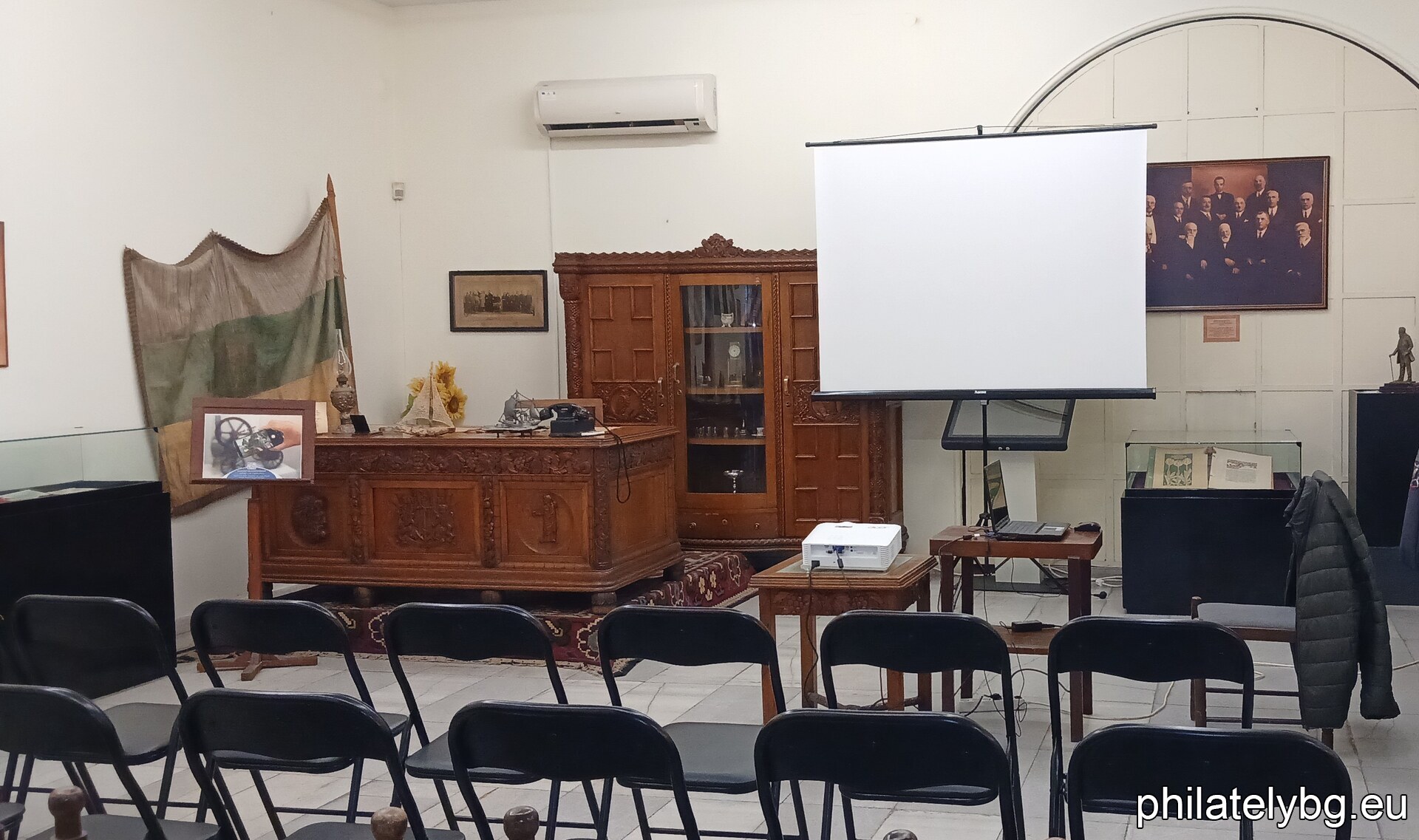
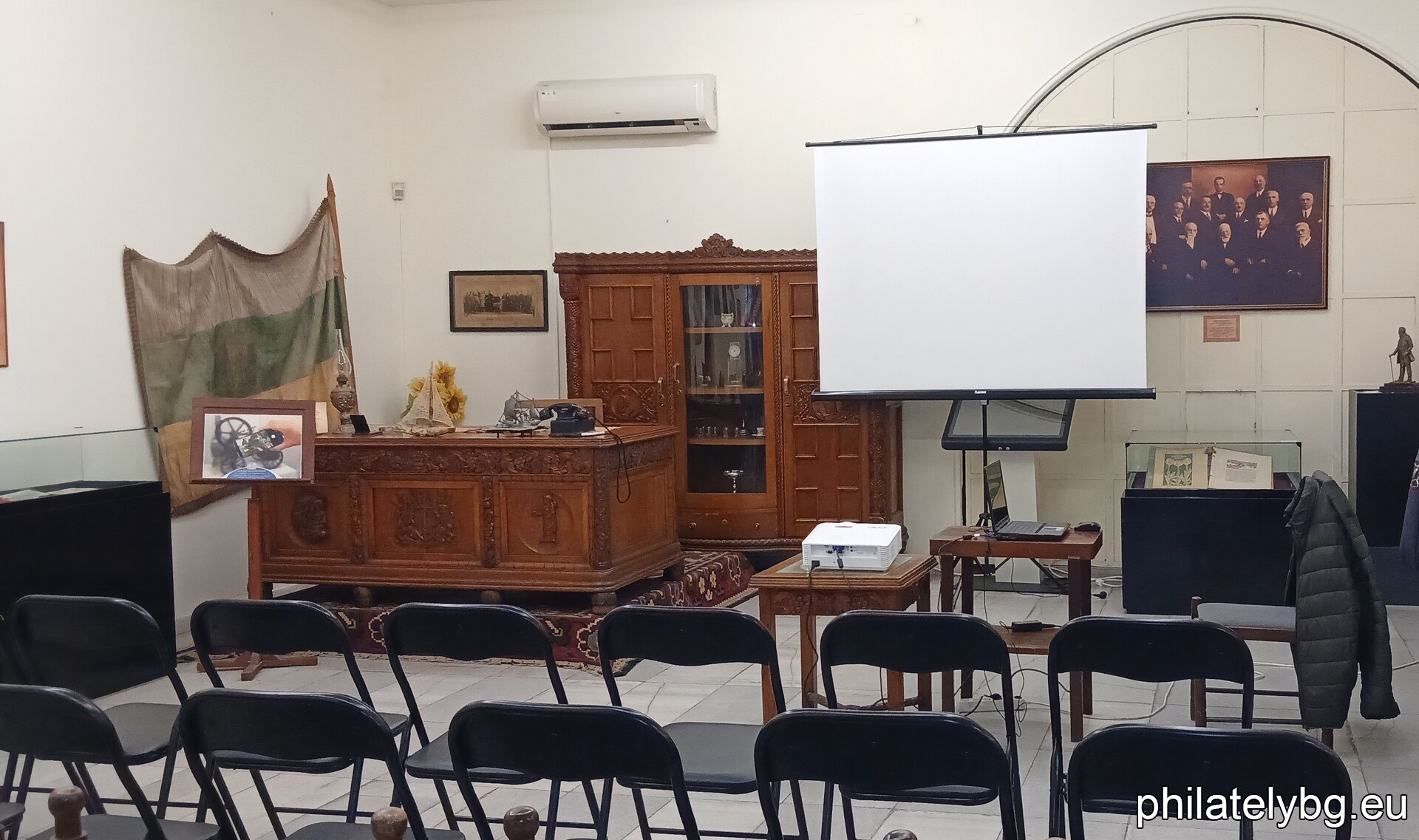
ПревюA hundred years ago, Bulgarian mail first took to the skies. On September 28, 1926, a three-seat "Potez 17" aircraft lifted off from a field near Sofia and, after roughly two and a half hours, landed in Varna carrying something unheard of at the time - that same morning's capital newspaper, delivered in time for the afternoon. The Museum of Contemporary History in Varna opened its doors for a public lecture on the subject, organized jointly with the Varna Philatelic Society. The speakers were the museum's curator, Teo Rokov, and the chairman of the Varna Philatelic Society, Nikolay Penev.

According to Rokov and Penev, airmail was a major step forward for the country, as it drastically cut the time needed to transport correspondence and printed matter between Sofia and Varna - then Bulgaria's two largest cities. They recalled that after World War I, the country's aviation development had been heavily restricted under the terms of the postwar treaties, and that civilian flights became one of the few ways to preserve the aviation expertise that had already been accumulated.

In 1926, Bulgaria ratified an international convention regulating aviation and received its own aircraft registration code. Later that year, the aviation department was reorganized into a Directorate of Civil Aviation. It was in this context that the idea of a trial postal route between Sofia and Varna took shape.

The experiment itself ran from September 28 to October 9, 1926, during which eleven test flights were carried out in both directions. The aircraft did not carry regular mail, which continued to travel by train, but only selected letters and newspapers - enough to let the capital's papers reach Varna the same day, instead of the usual delay of several days by rail.

Among the items on display during the lecture was a specially issued commemorative postcard marking the centenary, along with envelopes and cards bearing an original 1926 postal stamp. Among the most valuable items shown, Nikolay Penev pointed to an original postcard sent from abroad to Varna resident Anton Novak - one of the few surviving authentic traces of the flights.

Penev also addressed the challenge of distinguishing genuine philatelic items from the period from later-made ones, a subject on which specialists rely on details in the postmarks and the paper itself to verify authenticity. He noted that such cases of philatelic forgery were not unique to Bulgaria - a phenomenon also known from other European countries of the same era.

The Varna Philatelic Society plans to continue the lecture series in the coming years, covering further stages in the development of Bulgarian airmail. According to the organizers, today's talk is the first in a series that will trace the broader path of Bulgarian aviation.


📰 Latest News 28 September 2026

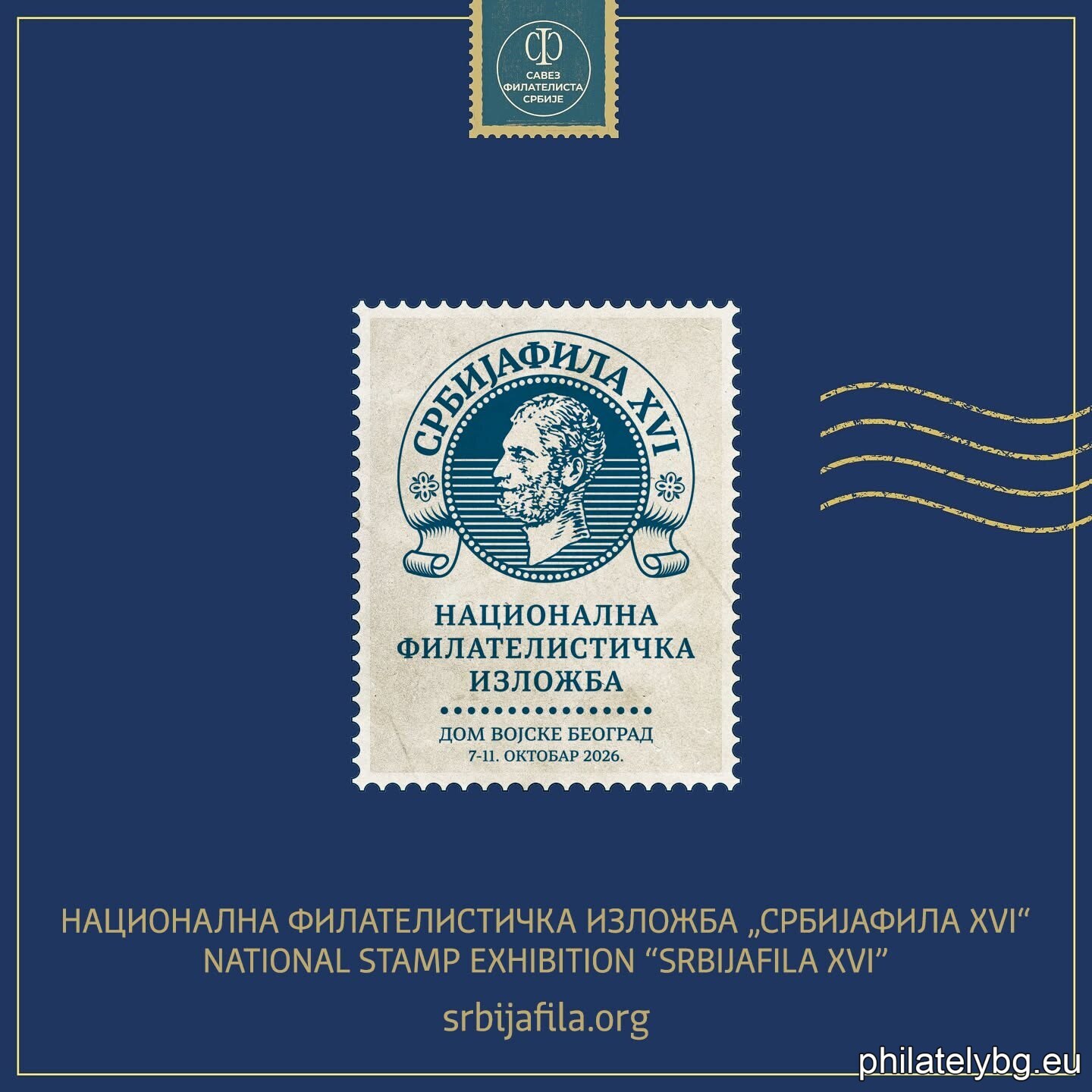
News | SRBIJAFILA XVI Belgrade Marks a Double Anniversary

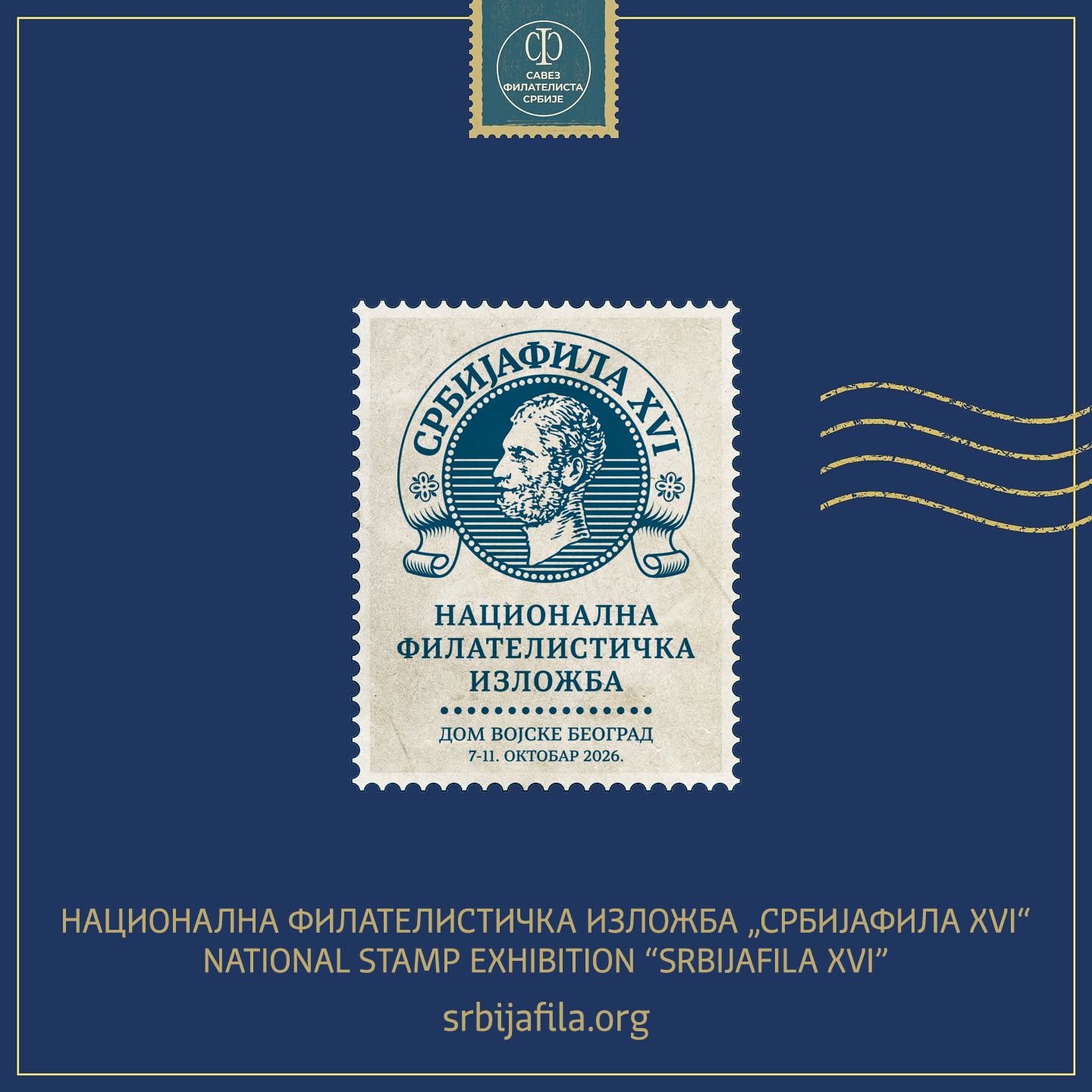
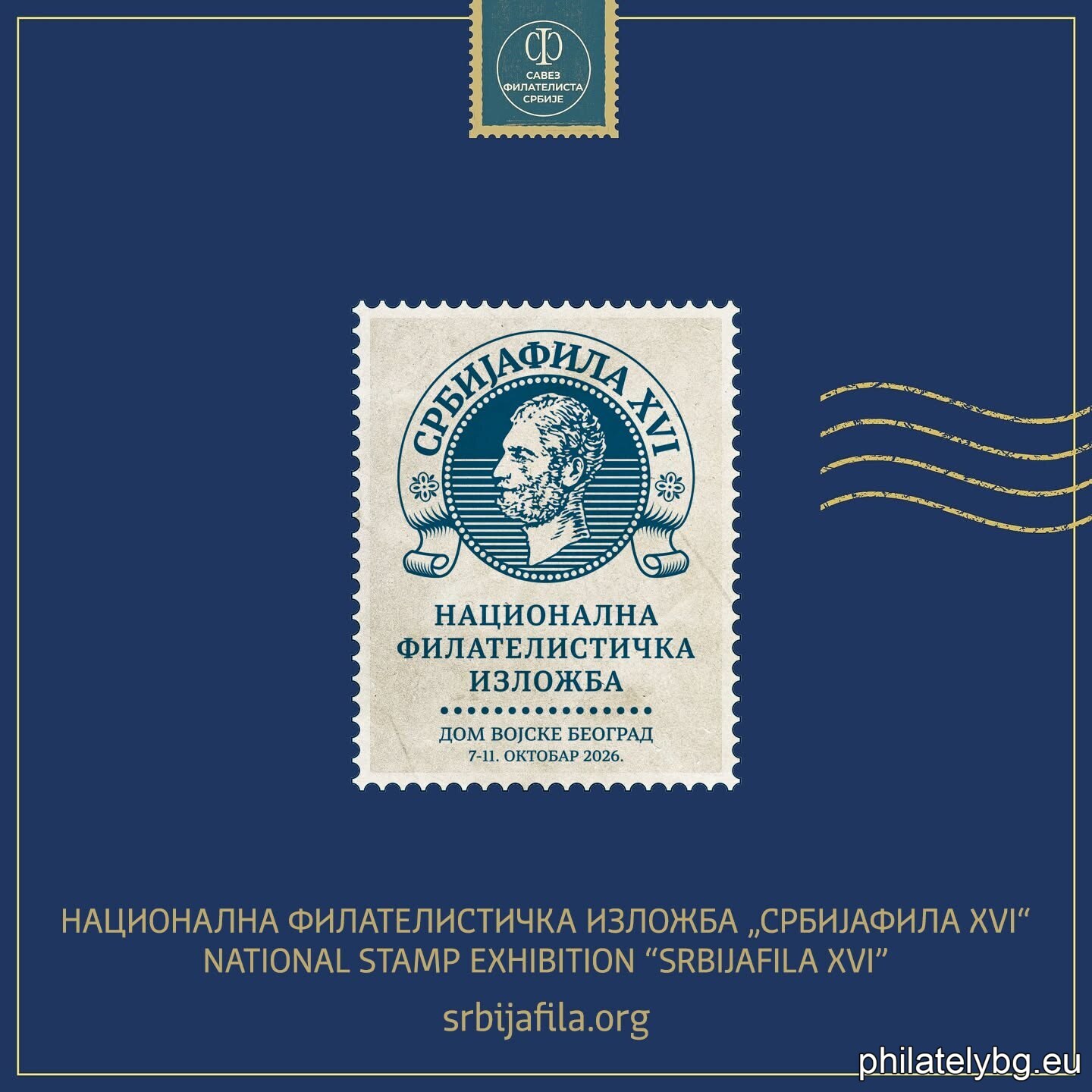
ПревюFrom 7 to 11 October 2026, Belgrade will host SRBIJAFILA XVI - the Sixteenth National Philatelic Exhibition of Serbia with International Participation. It is organised by Post of Serbia together with the Union of Philatelists of Serbia, and the exhibition has been granted FEPA Recognition and FIP Sponsorship. This edition carries particular weight, because it brings under one roof two anniversaries, either of which would on its own justify a major exhibition: 75 years since the first national philatelic exhibition of 1951, and 160 years since the printing of the first Serbian definitive postage stamp - the Prince Michael issue of 1866.

The year 1866 is the starting point. With the portrait issue of Prince Michael Obrenović, the Serbian postal administration entered the field of definitive postage stamps for the first time, and in doing so laid the foundations of one of the most widely collected and most thoroughly researched bodies of material in the Balkans. A century and a half later, these stamps remain a measure of seriousness in almost every collection devoted to the region. The year 1951 is the other end of the arc. The first national exhibition institutionalised what until then had been a private passion and a club pursuit: it turned collecting into a public, competitive activity assessed by rules. Every subsequent edition of SRBIJAFILA rests on that foundation.

The exhibition will take place in the building of the Military Club of Serbia, in the very centre of Belgrade - a structure built in the spirit of modern architecture with elements of the expressionism of the nineteen-forties. The choice is no accident: an exhibition that celebrates continuity is housed in a building that is itself a document of its era.

The announced international participation sets out a clear regional framework. Exhibitors are invited from the philatelic federations of the former Yugoslav area - Serbia, Slovenia, Croatia, Bosnia and Herzegovina, Montenegro and North Macedonia. Beyond them, members of any national federation affiliated with FEPA or FIP are also entitled to take part, provided the exhibit relates to the territory of the former Yugoslavia; this possibility applies to Honorary Class A.1 and Competitive Classes B.1–B.5.

The classes follow the familiar structure. The Honorary Class comprises the Aleksandar Boričić Collection, exhibits of outstanding philatelic importance, exhibits of jury members, exhibits of postal administrations and museums, and exhibits by invitation. The Competitive Class covers traditional philately, postal history, postal stationery, aerophilately, revenue philately, thematic philately, maximaphily, picture postcards, the youth class and literature, with one-, two- and three-frame exhibits, as well as modern philately, allocated to their respective competitive classes.

Judging follows FIP regulations: a Large Gold Medal for 95–100 points, Gold for 90–94, Large Vermeil for 85–89, Vermeil for 80–84 - which is also the minimum qualification for participation in international exhibitions - Large Silver for 75–79, Silver for 70–74, Silver-Bronze for 65–69, Bronze for 60–64, and a diploma for 59 points or fewer. The Grand Prix of the Competitive Class is awarded from among the recipients of the Large Gold Medal, and the decisions of the jury are final.

The participation fee is RSD 1,200 (EUR 10) per frame, with the Honorary Class and the Literature class exempt. Accepted sheet sizes are 210 × 297 mm, 240 × 297 mm, 297 × 297 mm and 420 × 297 mm, numbered and protected by transparent sleeves. Each exhibitor may enter an unlimited number of exhibits, presented in Serbian, in the language of one of the former Yugoslav republics, or in English.

Applications are made entirely through the digital form on the official website, srbijafila.org. Exhibits belonging to members of the Union of Philatelists of Serbia are delivered personally to the Commissioner no later than 6 October 2026, while those from the former Yugoslav republics come exclusively through their National Commissioners. Upon a reasoned proposal by the General Commissioner, the Organising Committee may in exceptional circumstances approve the participation of exhibitors from abroad by means of a digital version of the exhibit, which the organiser prints and mounts in the frames. Exhibits are returned after the closing on 11 October 2026. Further information is available from the Organising Committee at the Union of Philatelists of Serbia, Kosovska 47, 11000 Belgrade, e-mail: [email protected].

For the collector from the region, SRBIJAFILA XVI is a rare chance to see in one place material that is normally scattered across private collections in six countries. For the researcher of Balkan postal history, five days in Belgrade will do work that otherwise takes years of rounds through fairs and auctions. And the anniversary context - 160 years of the Serbian stamp and 75 years of the national exhibition - gives the whole event a frame that routine annual shows rarely have.


📰 Latest News 24 September 2026

News | EGYPHILA 2026 – Cairo Back on the Philatelic Map

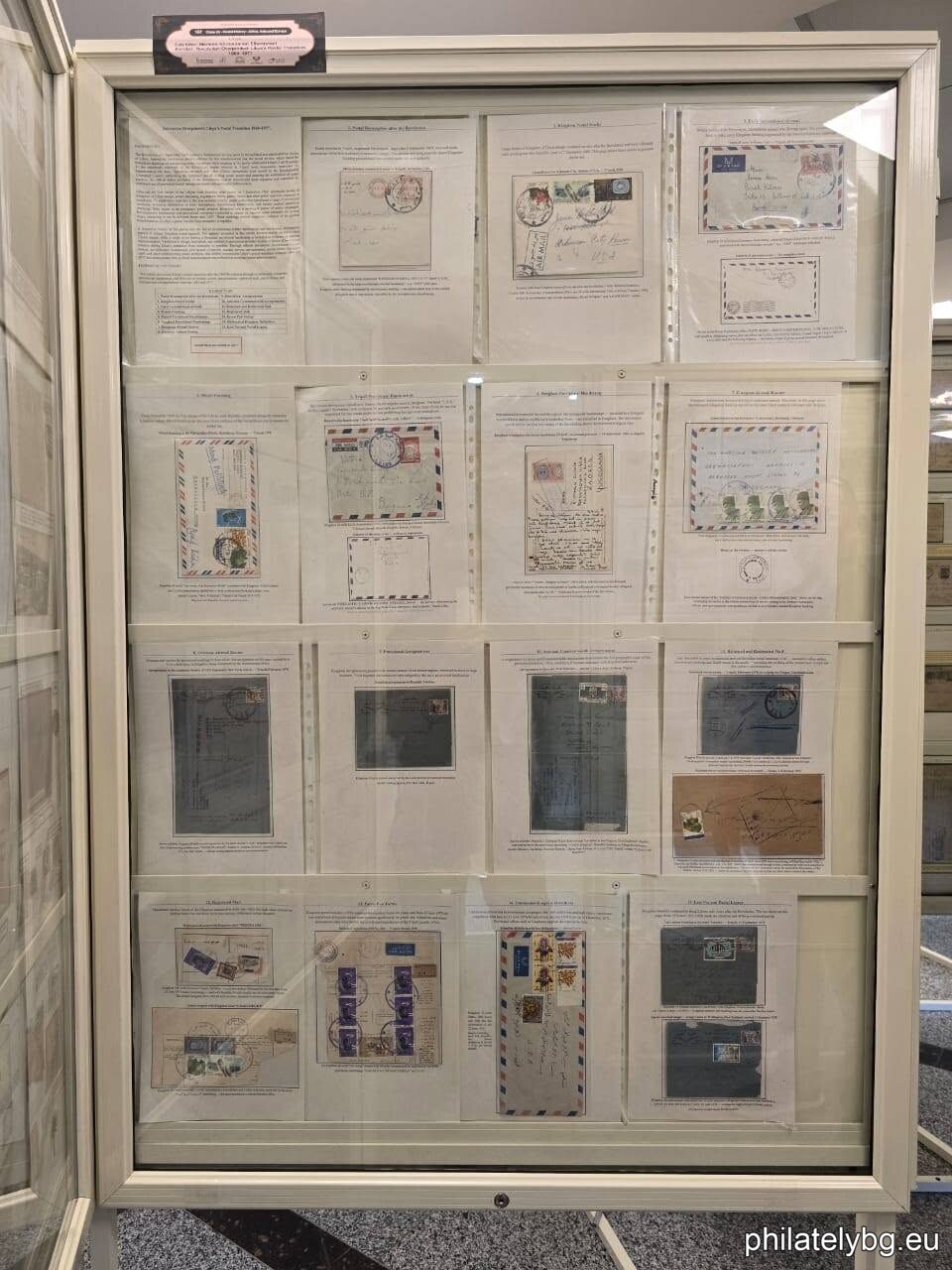
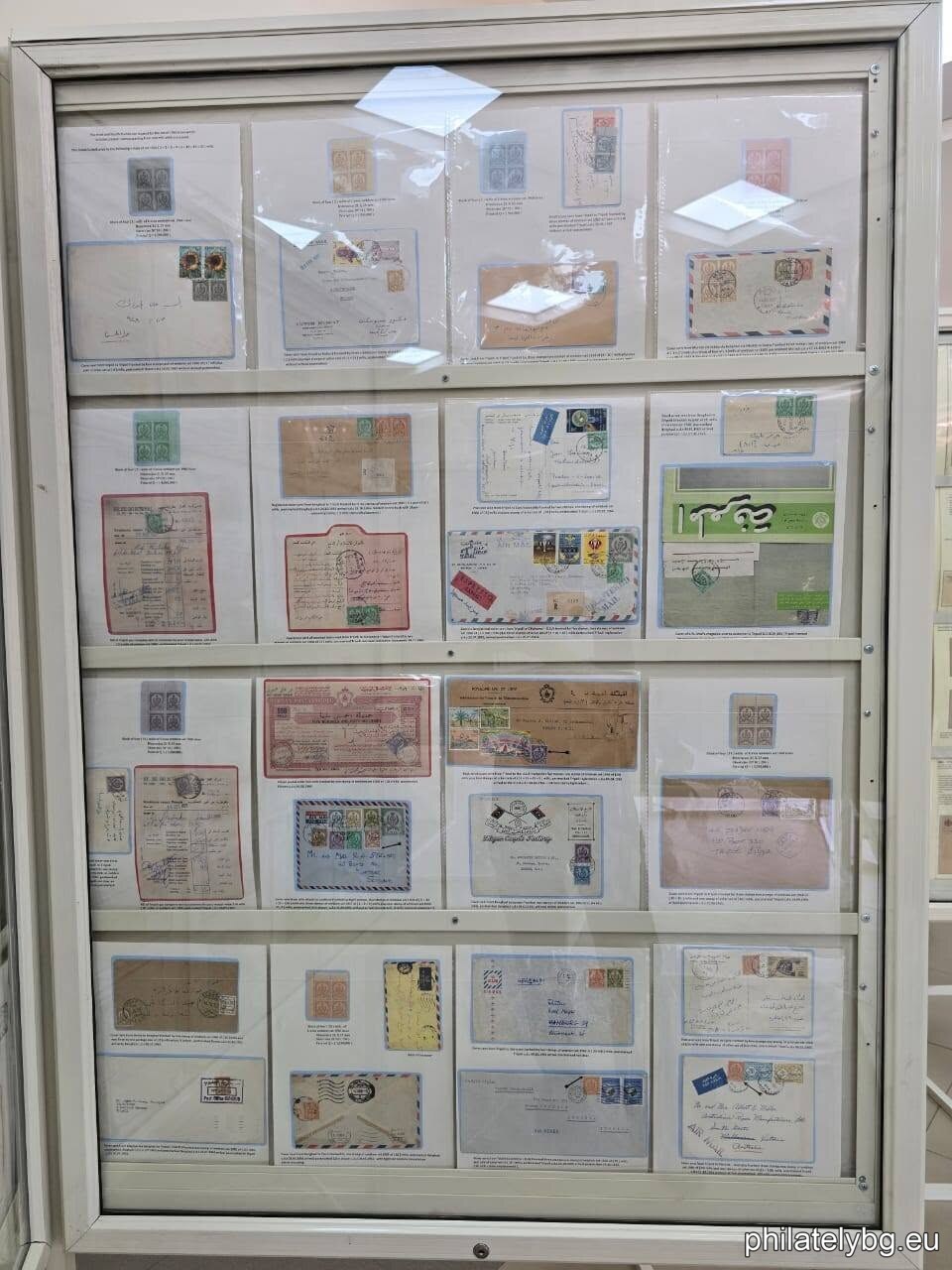
ПревюThe third edition of EGYPHILA 2026 was held from 17 to 19 September in Giza, at the Digital Egypt Innovation Centre "Creativa," next to Cairo University. The organiser was the Philatelic Society of Egypt, and the three days were devoted to stamps, postal history and philatelic research. The choice of a modern technology building to host a traditional philatelic event was in itself something of a symbolic gesture - classic collecting placed against the backdrop of digital Egypt.

The most significant thing about this edition was the change in the exhibition's status. EGYPHILA 2026 was held as a multinational exhibition under the auspices and recognition of FEPA, the Federation of European Philatelic Associations. That recognition lifts the Egyptian event out of the frame of a purely national show and gives it an international profile, allowing the organisers to present Egyptian philately to a considerably wider audience alongside exhibitors from abroad. For a country with such a rich postal history - from the Egyptian postal services of the nineteenth century to the international post offices in Alexandria and Port Said - this is a logical, if belated, step.

The scale of the exhibition speaks for itself as well. More than 300 exhibition frames were used to display the collections and philatelic studies, and participants came from Algeria, Croatia, Greece, Jordan, Lebanon, Libya, Morocco, Qatar, Saudi Arabia, Sudan, the United Kingdom and, of course, Egypt itself. This combination of North African, Middle Eastern and European entries turned Giza for three days into a meeting point for very different postal traditions - Ottoman, colonial, mandate and national - often documented on material originating from the very same territories.

The strongest foreign presence came from Greece. The Hellenic Philatelic Federation took part with 8 exhibits and 45 frames in total, making it the largest foreign participation, with almost twice as many frames as the second-largest British showing, with national commissioner Yannis Refanidis having navigated a difficult customs procedure. The result was three Gold, three Large Vermeil and two Vermeil medals: Gold for T. Arvanitis with "Prestamp Greece – International Mail" (92 points), N. Garilidis with "The Egyptian Postal Concession to the British Forces" (90 points) and Y. Refanidis with "Postal Stationery of Greece 1900–1920" (90 points), and Large Vermeil for G. Dimitriadis ("The Postal Services of the Port-Said 1885–1955"), A. Papadopoulos ("Aéropostale 1930 – Air France 1934") and T. Paschos ("The Armée d'Orient on the Macedonian Front 1915–1918"). Tellingly, two of the awarded Greek exhibits deal with Egyptian subjects - a reminder of the deep links between the two postal histories.

Qatar also achieved a serious result. The Qatar Philatelic and Numismatic Center of the Ministry of Culture announced on 20 September that its collectors had won five medals in Cairo. "Postal History of Qatar: From Sheikhdom to State (1930–1963)," "History of Nejd and Hejaz Stamps (1925–1926)" and "Lebanon Covers Held During World War II" received Large Vermeil medals, while "Postal History of Bahrain" and "History of Libya Stamps" were awarded Vermeil medals. The thematic range of these exhibits - from the Gulf through the early Saudi issues to wartime Lebanese correspondence - shows how a comparatively young collecting institution is using regional exhibitions to place its specialist holdings before international juries.

The comparison between the two delegations is instructive. Greece sent material drawn mainly from its own postal history and from the Greek presence in the Middle East; Qatar presented almost entirely material from neighbouring territories - Bahrain, Nejd and Hejaz, Libya, Lebanon. This is a characteristic feature of Arab philately, where postal borders rarely coincide with modern state ones and where the collector inevitably steps outside the national narrative. EGYPHILA 2026 offered the rare chance to see such overlapping holdings side by side.

With the exhibition closing on 19 September, EGYPHILA moved from promise to fact. The FEPA recognition, the more than 300 frames and the participation of twelve countries add up to an event that is no longer a purely Egyptian domestic affair. The question that remains is whether the organisers will manage to turn this momentum into a regular tradition - because the region needs a permanent platform, and Cairo, with its history as a crossroads for the postal routes between Europe, Africa and Asia, is the natural place for one.

Home
🔖 Latest Stamps 22 May 2026

"125 years since the creation of the Anthem of Education by the composer Panayot Pipkov" - one postage stamp with one vignette and a special postmark.

The anthem of Bulgarian enlightenment, also known as the anthem of St. Cyril and Methodius, is the song "Go, Reborn People" with lyrics by Stoyan Mihaylovski and music by Panayot Pipkov.

🔖 Latest Stamps 29 May 2026

"Higher School of Telecommunications and Post" - one postage stamp and a special postmark.

The Higher School of Telecommunications and Posts is the successor of the State Telegraph and Postal School, founded by decree of Prince Alexander I on December 21, 1881.

🔖 Latest Stamps 02 June 2026

"In memory of Hristo Botev - 150 years since his death" - one postage stamp and a special postmark.

Hristo Botev (Hristo Botev Petkov) was a Bulgarian revolutionary, poet and publicist from the era of the Bulgarian Renaissance. A national hero of Bulgaria.

🔖 Latest Stamps 02 June 2026

"Bulgarian Graphemes" – a series of two postage stamps with variable circulation.

The grapheme is the minimum structural unit of the writing system. In the modern Bulgarian language, the main graphemes are the letters that represent sounds (phonemes). The Bulgarian alphabet consists of 30 graphemes (letters), built on the Cyrillic writing tradition.

🔖 Latest Stamps 11 June 2026

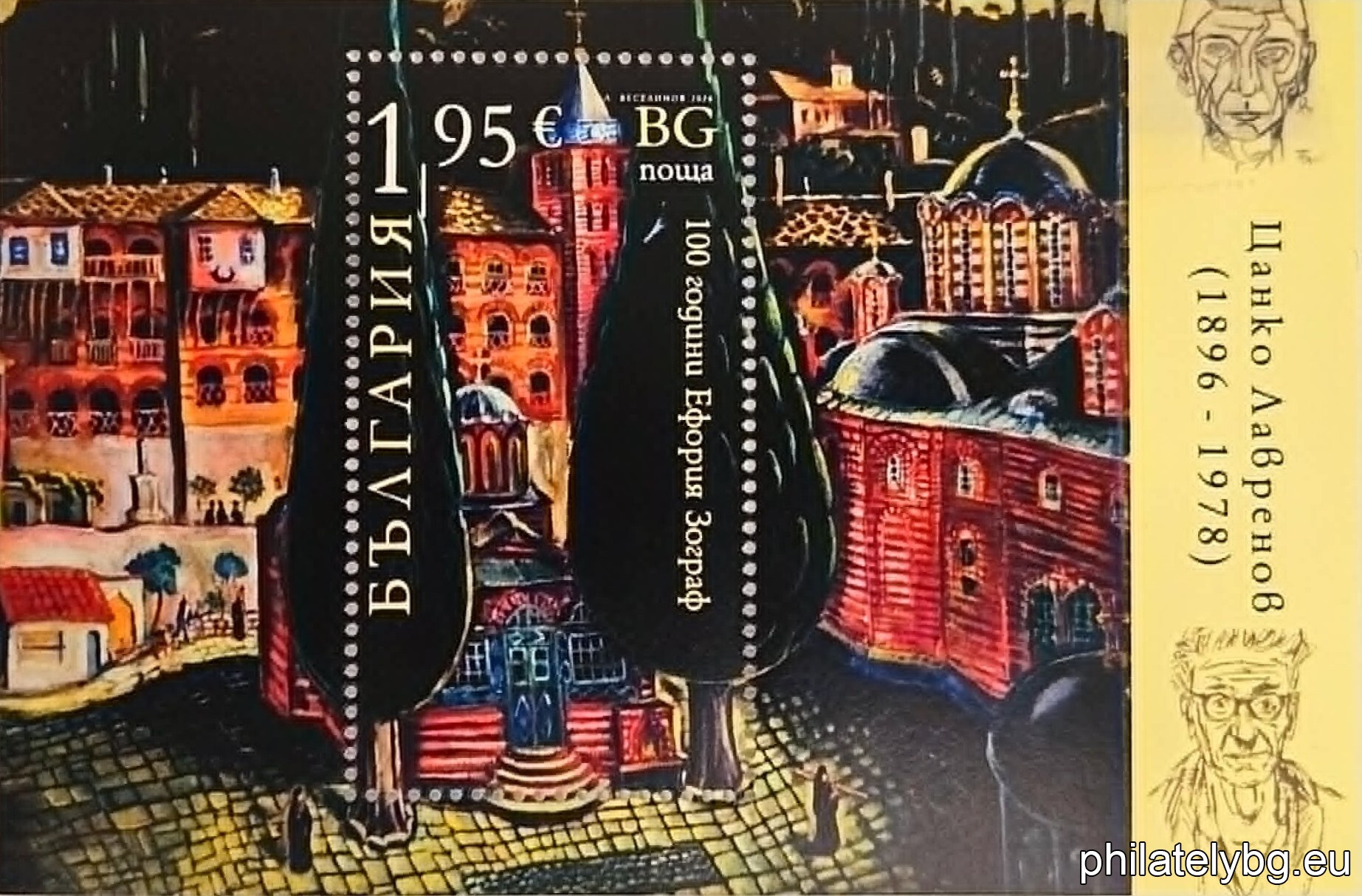
"100 years since the founding of "Eforia Zograf"" - one postage stamp in a block and a special postage stamp.

The anniversary marked an important historical moment: a hundred years ago, by decree of Tsar Boris, the "Ephoria Zograf" was established with the task of managing the Bulgarian monastery on Mount Athos.

🔖 Latest Stamps 10 August 2026

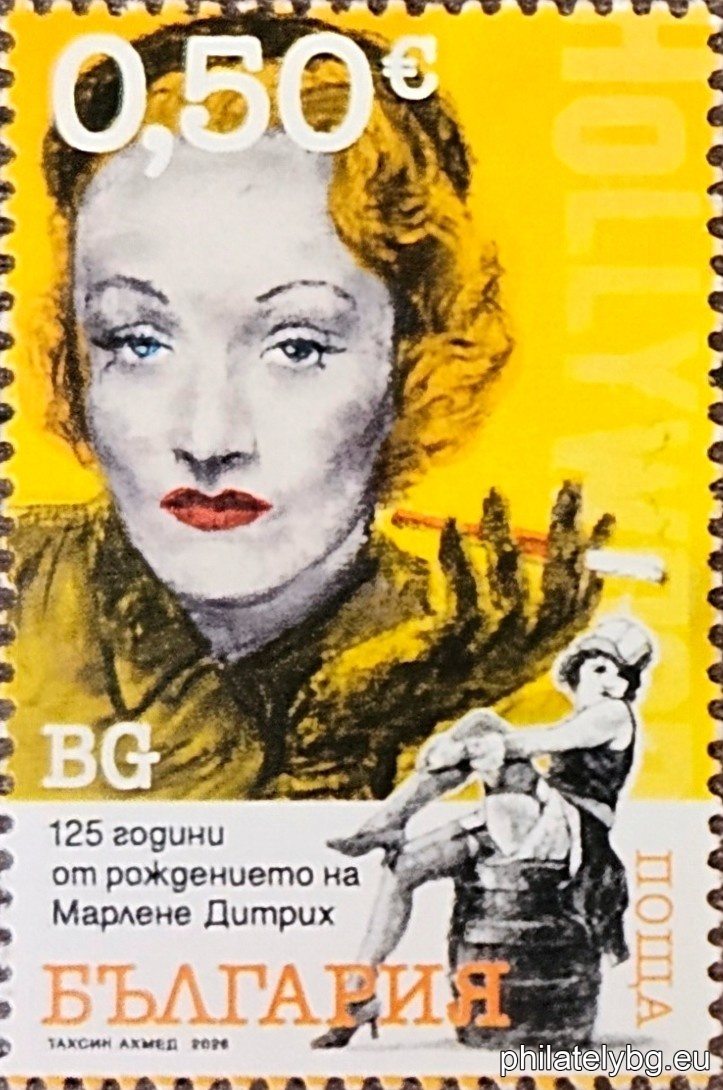
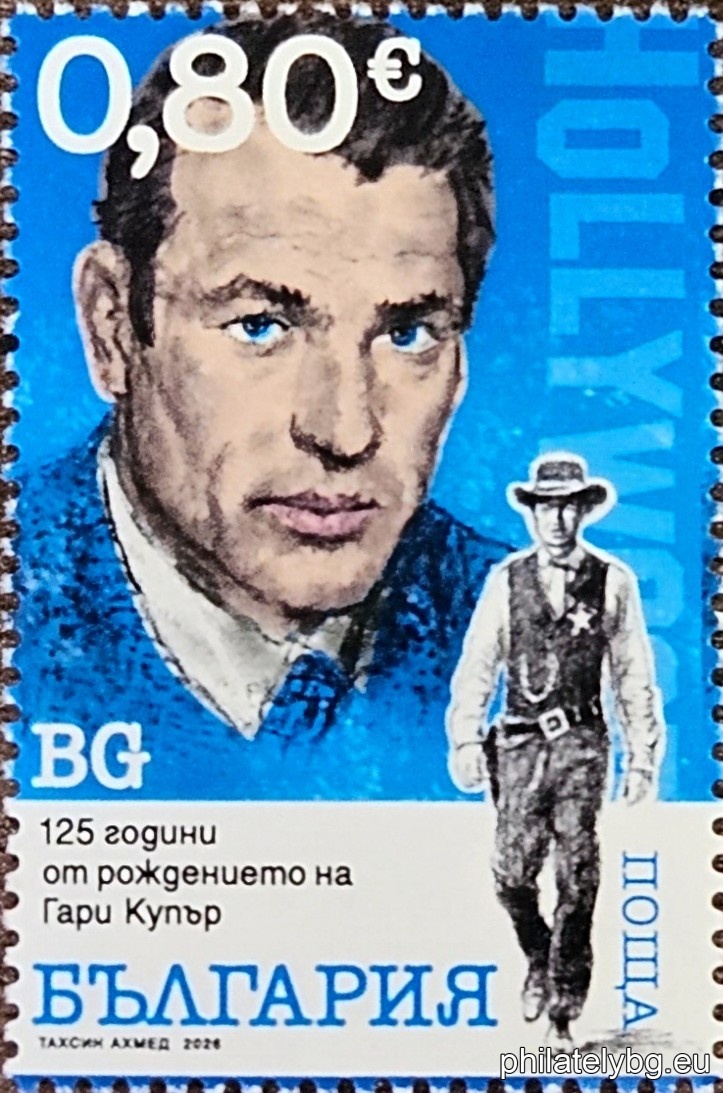
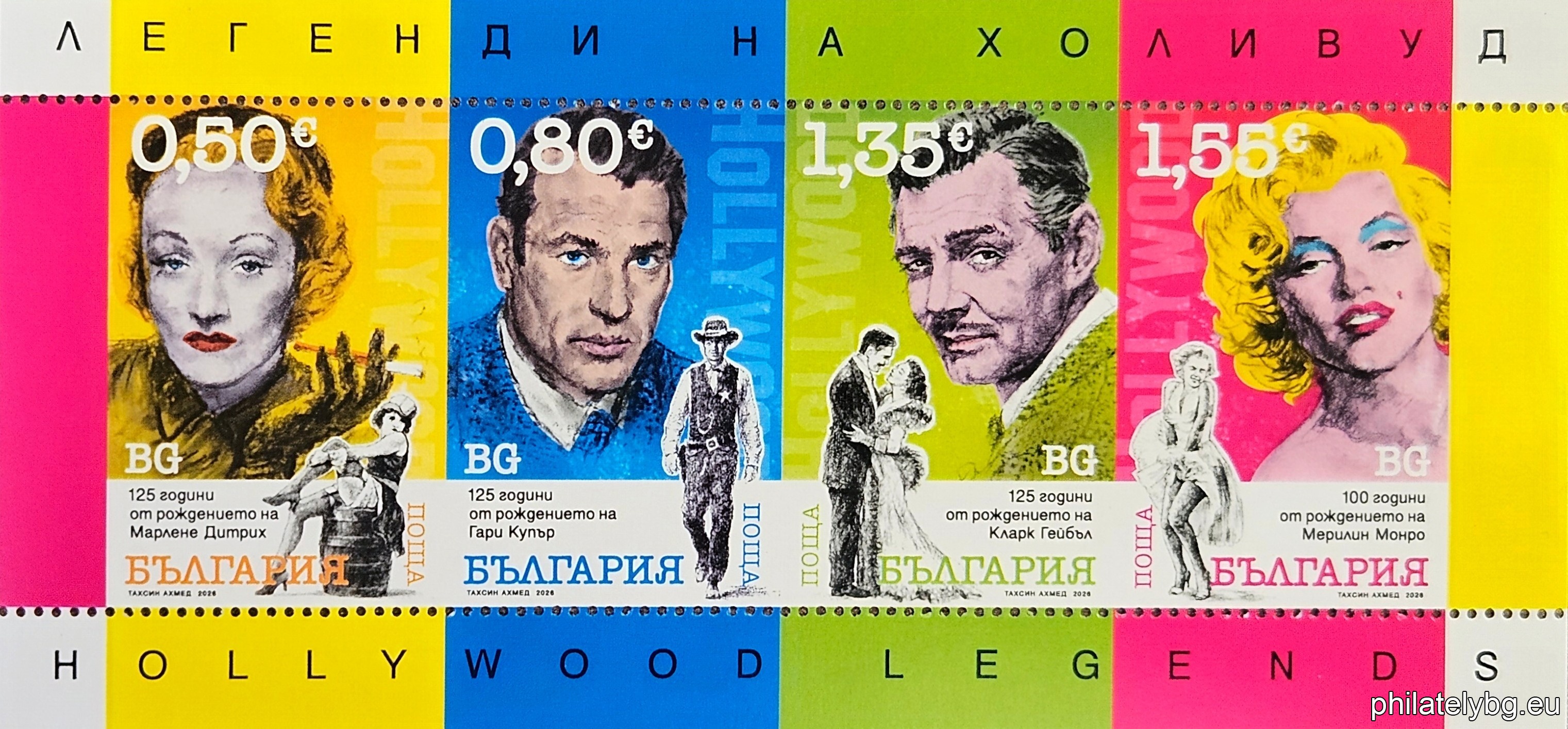
"Hollywood Legends: 125th Anniversary of Marlene Dietrichs Birth, 125th Anniversary of Clark Gables Birth, 125th Anniversary of Gary Coopers Birth and 100th Anniversary of Marilyn Monroes Birth." - a series of four postage stamps and a special postmark.

Marlene Dietrich is a German-American actress and singer. Clark Gable is an American actor, Oscar-winning, who played one of the most significant roles in cinema, that of Rhett Butler in the film Gone with the Wind (1939). Gary Cooper, born Frank James "Gary" Cooper, is an American actor. Marilyn Monroe, born Norma Jeane Mortenson, is an American actress and model.

🔖 Latest Stamps 10 August 2026

"Hollywood Legends: 125th Anniversary of Marlene Dietrichs Birth, 125th Anniversary of Clark Gables Birth, 125th Anniversary of Gary Coopers Birth and 100th Anniversary of Marilyn Monroes Birth." - a series of four postage stamps in a block sheet and a special postage stamp.

Marlene Dietrich is a German-American actress and singer. Clark Gable is an American actor, Oscar-winning, who played one of the most significant roles in cinema, that of Rhett Butler in the film Gone with the Wind (1939). Gary Cooper, born Frank James "Gary" Cooper, is an American actor. Marilyn Monroe, born Norma Jeane Mortenson, is an American actress and model.

🔖 Latest Stamps 10 August 2026

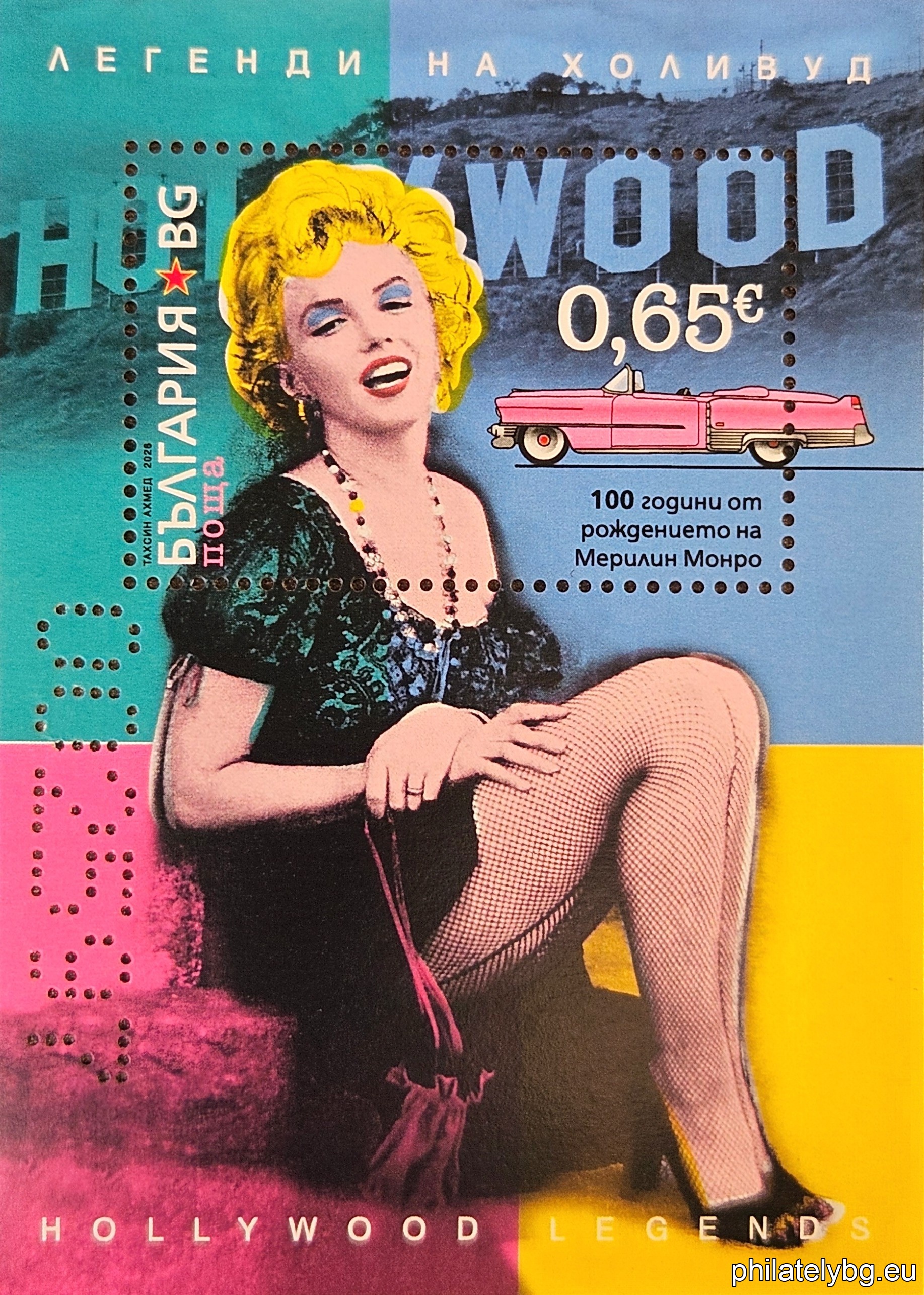
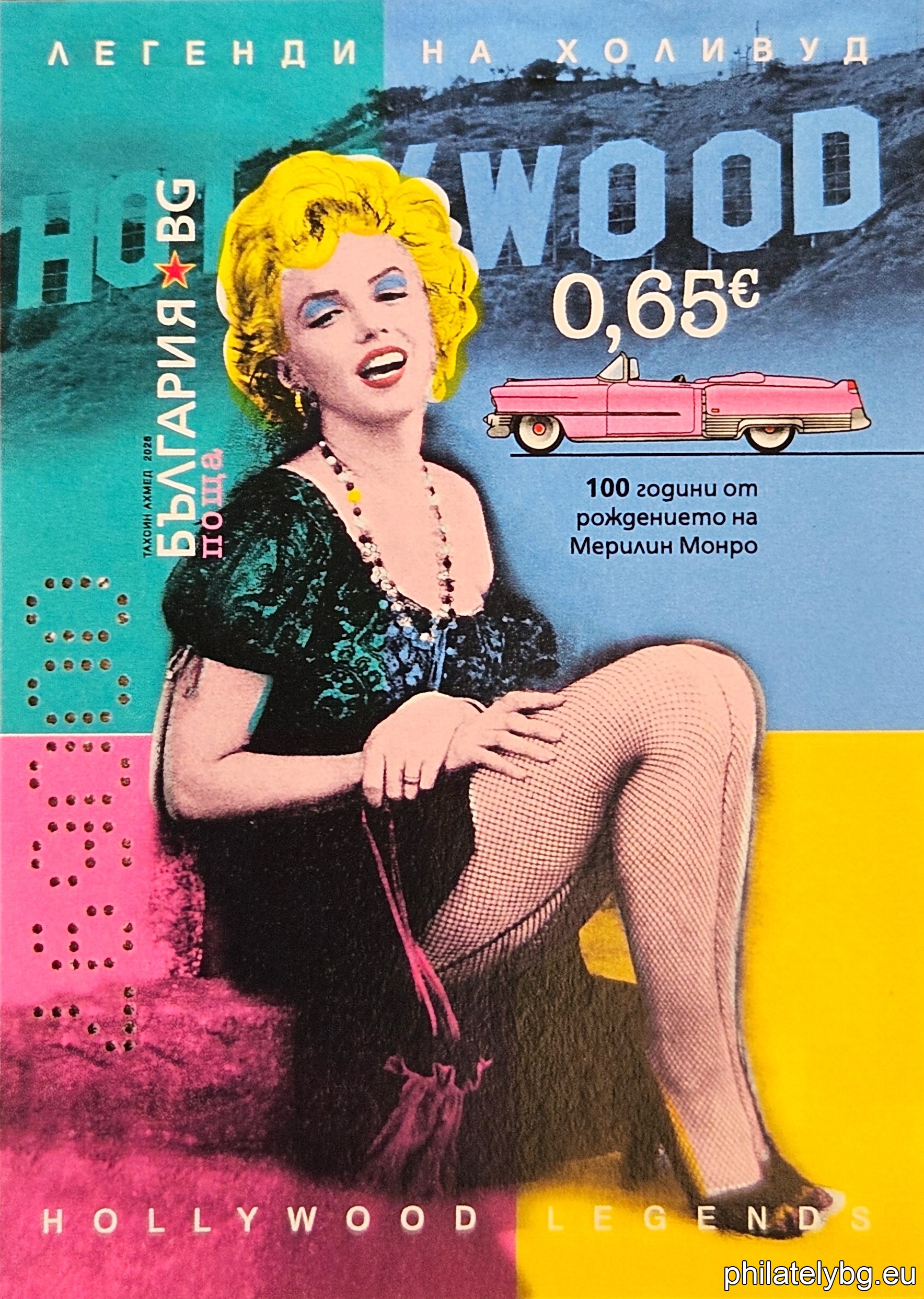
"100th Anniversary of the Birth of Marilyn Monroe." - one postage stamp in a block.

Marilyn Monroe, born Norma Jeane Mortonson, was an American actress and model. Her appearance made her one of the most popular sex symbols of the 1950s.

🔖 Latest Stamps 18 August 2026

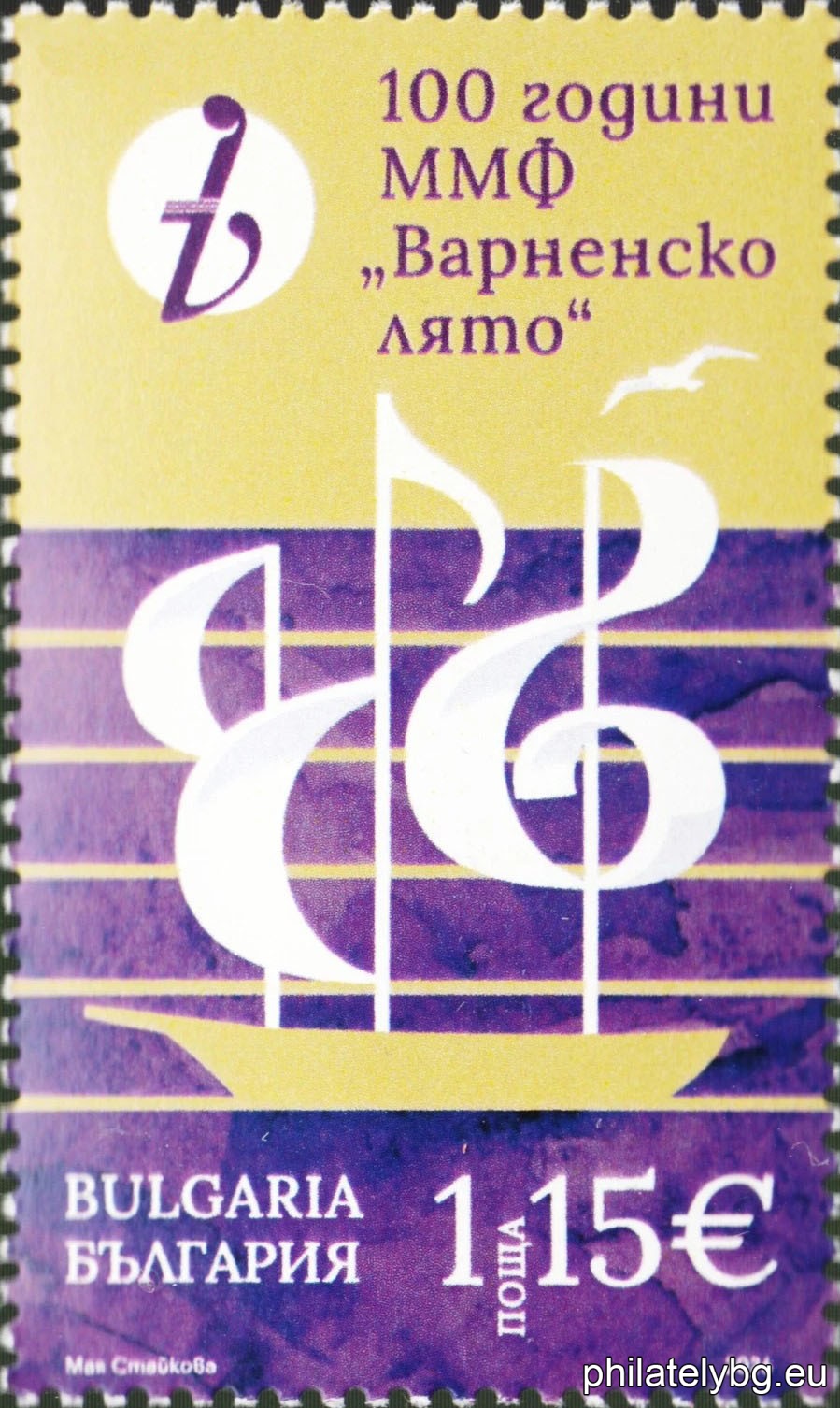
"100 years since the establishment of the International Music Festival "Varna Summer"" - one postage stamp and a special postmark.

The Varna Summer International Music Festival is the oldest music festival in Bulgaria, founded in 1926 in Varna. It brings together world-renowned performers, symphony and chamber orchestras, offering a rich program of classical music, opera, ballet and accompanying academies in the seaside capital.

🔖 Latest Stamps 18 August 2026

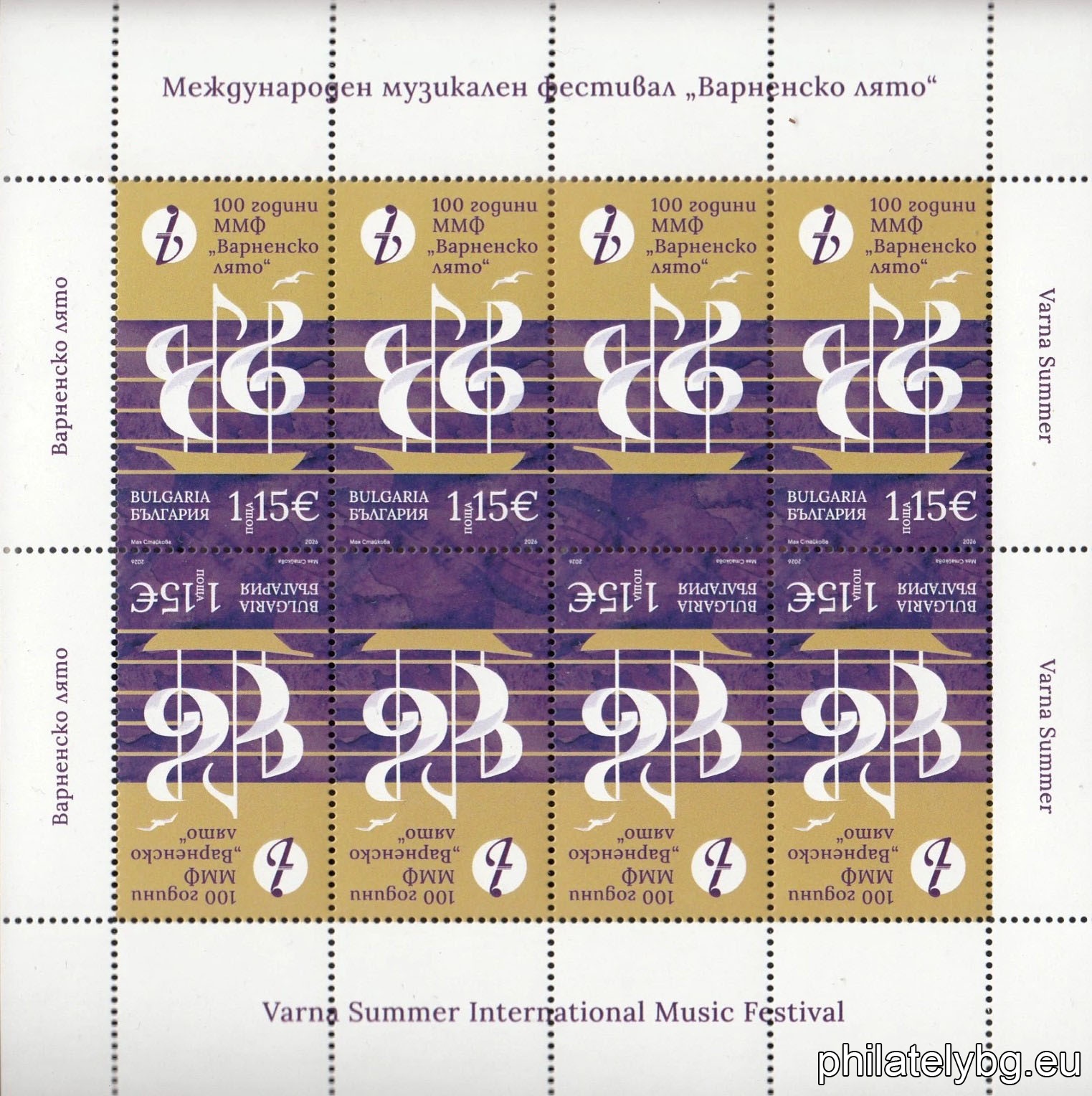
"100 years since the establishment of the International Music Festival "Varna Summer"" - a block sheet containing six postage stamps and two vignettes and a special postmark.

The Varna Summer International Music Festival is the oldest music festival in Bulgaria, founded in 1926 in Varna. It brings together world-renowned performers, symphony and chamber orchestras, offering a rich program of classical music, opera, ballet and accompanying academies in the seaside capital.

All Stamps ›
🎬 Latest Videos

SRBIJAFILA XVI video

📅 Latest Events 05.09.2026

Events | IBRA 2028 – World Stamp Exhibition in Ulm, Germany

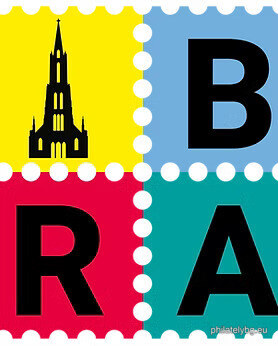
ПревюFrom 26 to 29 October 2028, the German city of Ulm will host the IBRA 2028 World Stamp Exhibition. It will take place at the Messe Ulm exhibition centre and will have some 2,000 frames at its disposal. The organizer is the German Federation of Philatelists (Bund Deutscher Philatelisten) in collaboration with the Federation of South-West German Philatelic Societies (LSW), with the event managed and run by an organizing committee. The stated aims are the classic ones for an event of this kind – strengthening friendly relations and close cooperation among philatelists worldwide, and promoting philately and stamp collecting at the highest international level.

IBRA 2028 holds the status of a general World Stamp Championship Exhibition under the patronage of the Fédération Internationale de Philatélie (FIP), which is to be officially granted by the 78th FIP Congress in Macao in 2026. The exhibition is also held under the patronage of the Federation of European Philatelic Associations (FEPA). The general regulations GREX and GREV apply, together with the special regulations for the evaluation of exhibits (SREVs) and these individual regulations (IREX). Exhibitors from FIP member federations are eligible to take part in the competitive classes, while entry to the non-competitive classes, including the Court of Honour, is by special invitation from the organizing committee.

The competitive programme comprises fifteen classes. Class 1 is the FIP Championship Class, where the standard requirements apply – three Large Gold medals at FIP world exhibitions in three separate years, with no more than one Large Gold credited per year, and eligibility beginning on 1 January of the year following receipt of the third. Once qualified, an exhibit may compete in the Championship Class in any five calendar years of the exhibitor's choosing within a ten-year span. The list of qualified exhibits is published at the end of each year by the FIP Board.

Traditional Philately and Postal History follow, each with a national sub-class for Germany and sub-classes for Europe, America, and Asia, Oceania and Africa. Separate classes are provided for Postal Stationery, Aerophilately, Astrophilately, Thematic Philately with sub-classes for nature, culture and technology, Open Philately, Revenues, Picture Postcards and Maximaphily. Class 12 is the experimental "1–3 Frames" class: one-frame exhibits must treat a narrowly defined subject, and extracts from previously shown five- to eight-frame exhibits are expressly not permitted, while two- and three-frame exhibits are allocated to sub-classes for Traditional Philately, Postal History, Postal Stationery, Aerophilately, Thematic Philately and Revenues. Evaluation in Class 12 is on a scale of 60 to 100 points, and awards are given by certificate only, without medal levels; exhibits below 60 points receive a certificate of participation.

Class 14 – Youth Philately – deserves particular attention, and at IBRA 2028 it is entirely free of charge. Age is determined as of 1 January 2028, and participants are divided into three groups: group A from 10 to 15 years, group B from 16 to 18 years and group C from 19 to 21 years. The size of the exhibits grows with age – one to three frames for the youngest, two to four for the middle group and three to five for the oldest. It is worth noting that, unlike at some other exhibitions, the lower age limit here is expressly set at 10 years, meaning the youth class is not open to children below that age. The absence of a participation fee remains the strongest incentive for young collectors to step onto the world stage, and it deserves active support from national federations and from the mentors of young exhibitors.

An equally important point is Class 13 – Philatelic Literature – which at IBRA 2028 is formulated in very contemporary terms. Sub-class A covers philatelic books, monographs, non-periodical general and specialized catalogues, articles, handbooks and specialized research studies published after 1 January 2023. Sub-class B is for philatelic magazines and periodicals presented as at least one complete annual volume published after 1 January 2025. Sub-class C is devoted entirely to digital media – digital literature, websites and software. Significantly, literature may be submitted in either printed or digital form, and for digital titles the exhibitor provides access credentials instead of a physical copy. One copy of each exhibit is required, and return is possible only if expressly requested on the application form and at the exhibitor's expense. Literature exhibits will be presented in a supervised reading area where visitors can consult them on site. In addition to the application, a separate Philatelic Literature Information Form must be completed, and the deadline for receipt of the exhibits is 1 July 2028.

A genuine novelty is Class 15 – Modern Philately, covering material from 1980 to the present. Its purpose is twofold: to encourage collectors of modern material to exhibit at the highest level, and to demonstrate to postal administrations that interest in recent issues remains alive. Eligible exhibits are those meeting the FIP regulations for Traditional Philately, Postal History or Postal Stationery and composed exclusively of material issued by postal administrations since 1980. Evaluation follows the respective SREVs, with express acknowledgement that modern material is often difficult to obtain and process and that its rarity and significance are harder to assess given the short elapsed period. Full FIP medals are awarded in this class, results are recorded in the official listings, and exhibits scoring below 60 points receive a certificate of participation. Acceptance is based on the recommendation of the national commissioner and at the discretion of the organizing committee, and the same exhibitor may also enter other classes, though with different exhibits.

The technical requirements follow the established standard. The frame measures 97 by 120 cm and holds 16 album pages in four rows of four, with a page size of 23 by 29.7 cm including the protective mount. The other formats recommended by the FIP are also accepted – 46 by 29 cm with eight sheets and 31 by 29 cm with twelve sheets. Exhibits must be mounted on white or light-coloured sheets; dark and black sheets are not accepted. Original expert certificates must be made available to the jury, either affixed to the reverse of the relevant sheet or submitted in a folder through the national commissioner, and a small © symbol or the letter "c" is placed in the lower right-hand corner of the sheet. With the exception of classes 12, 13 and 14, each exhibit is shown in five or eight frames: five frames for exhibits awarded at least a Vermeil at national level, and eight frames for those awarded at least a Large Vermeil at a previous FIP exhibition.

The fees are relatively moderate. For the competitive classes other than 12, 13 and 14, the fee is €100 per frame. The experimental "1–3 Frames" class costs €130 per frame. Philatelic literature is charged at €40 per exhibit, and where the same exhibitor submits several entries, each subsequent exhibit costs €30. Youth Philately and the non-competitive classes are free of charge. Once paid, fees are non-refundable.

The application procedure is a considerable convenience. Entries are submitted by the exhibitor or by the national commissioner through the website https://ibra2028.de, with a deadline of 29 February 2028. A copy of the introductory page in one of the official FIP languages must be attached, along with the additional information form in the case of literature exhibits; a synopsis is optional. Notification of acceptance or rejection, together with the number of frames allocated, will be sent through the national commissioners by 30 April 2028; fees are collected and forwarded by 15 May 2028; and changes to the title or synopsis are permitted until 31 May 2028. If the title differs from that used previously, the former title must be stated, along with the FIP exhibit ID number, which is obtained through the exhibitor's national federation.

All exhibits are delivered through the respective national commissioners; personal delivery by the exhibitor is not permitted, except for German participants. Shipment by air cargo is prohibited. The organizing committee will implement simplified customs procedures, with details communicated through the national commissioners at least three months before the exhibition. Insurance is the exhibitor's own responsibility and expense, and the committee accepts no liability for loss or damage during transit, storage or display. After mounting, the national commissioner must verify that all pages and philatelic items are intact and sign a confirmation form before the opening day.

The organizing committee is based at the BDPh headquarters at Am Hofgarten 4, 53113 Bonn, and the Commissioner General of the exhibition is Frank Blechschmidt. Peter Suhadolc is named as the FIP consultant, although the official appointment is still pending. In the event of a dispute, the German version of the regulations is authoritative and the legal venue is Bonn. Current information is published at http://www.ibra2028.de. Bulgarian philatelists considering participation would do well to contact the Union of Bulgarian Philatelists and the national commissioner well before February 2028 – particularly if they are interested in the youth class, in digital media, or in the new class for modern philately.

📅 Latest Events 05.09.2026

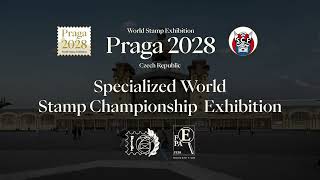
Events | PRAGA 2028 – Specialized World Stamp Exhibition

ПревюFrom 22 to 26 March 2028, Prague will once again host a world stamp exhibition. PRAGA 2028 will take place in the Průmyslový palác at the Výstaviště exhibition grounds in the Bubeneč district and will present approximately 2,500 exhibition frames. The organizer is the Union of Czech Philatelists, acting through the association "PRAGA 2028 – Světová výstava poštovních známek", which was established specifically for this purpose. The exhibition marks several anniversaries at once: 500 years since the establishment of a regular postal service between Prague and Vienna, 110 years since the founding of Czechoslovakia and the first Czechoslovak stamps, 35 years since the creation of the Czech Republic, and the tradition of world stamp exhibitions in Prague itself.


PRAGA 2028 holds the status of a Specialized World Stamp Championship Exhibition under the patronage of the Fédération Internationale de Philatélie (FIP). Patronage was provisionally granted by the FIP President and Board during the 168th and 169th FIP Conference meetings and finally approved by the 78th FIP Congress on 1 July 2026. The exhibition is also held under the recognition of the Federation of European Philatelic Associations (FEPA). The general regulations GREX and GREV apply, together with the special regulations for the evaluation of exhibits (SREVs) and the exhibition's own individual regulations (IREX).

The competitive programme comprises fourteen classes. Class 1 is the World Stamp Championship Class, and here the organizers have introduced a significant relaxation: a single Large Gold medal from an exhibition under FIP patronage, or an FIP Grand Prix, is sufficient, since Articles 9.1 and 9.5 of GREX expressly do not apply. Traditional Philately and Postal History follow, each divided into a national sub-class for material relating to the territory of Czechoslovakia and sub-classes for Europe, for Asia, Africa and Oceania, and for America. Separate classes are provided for Postal Stationery, Revenue, Aerophilately, Astrophilately, Thematic Philately (with sub-classes for nature, culture and technology), Open Philately and Picture Postcards. As experimental Class 14, First Day Covers are being introduced; they are evaluated on a scale from 60 to 100 points and receive certificates only, without medal levels.

Class 11 – Youth Philately – deserves particular attention, and it remains entirely free of charge for participants. Age is determined as of 1 January 2028, and exhibitors are divided into three groups: up to 15 years, 16 to 18 years, and 19 to 21 years. The number of permitted frames increases with age – one to three frames for the youngest group, two to four for the middle group, and three to five for the oldest. There is also a difference in the maximum awards: in the first two age groups medals are awarded up to Large Vermeil level, while group C may reach Gold level. Exhibits scoring below 60 points receive a Certificate of Participation. The absence of a participation fee makes the youth class an especially accessible route for young collectors to enter the world philatelic stage, and it deserves active support from national federations and from the mentors of young exhibitors.

A practical innovation is Class 12 for exhibits with a non-standard number of frames. Sub-class 12A is intended for one-frame exhibits on a very narrow subject, while sub-class 12B covers exhibits of two to four frames. In both cases the material is allocated to nine categories corresponding to the main disciplines: Traditional Philately, Postal History, Postal Stationery, Revenue, Aerophilately, Astrophilately, Thematic Philately, Open Philately and Picture Postcards. Evaluation in Class 12 is carried out on a scale from 60 to 100 points, and awards are given by certificate only, without medal levels.

Class 13 – Philatelic Literature – also brings important news. Alongside the traditional sub-classes for monographs and periodicals, a distinct sub-class for digital media has been created. This is a clear sign that the FIP and the organizers recognize the change in the way philatelic research is published and distributed today – online catalogues, databases, electronic publications and multimedia projects now have their own place in the world competitive programme. The requirements regarding publication date remain: handbooks and special studies must have been published no earlier than five years before the year of the exhibition, and all other entries no earlier than two years before. A special Philatelic Literature Exhibit Information Form must be completed in addition to the application. Exhibitors and commissioners should pay attention to the number of copies required – Article 5 of the regulations calls for two copies of each exhibit, while Article 10.7 refers to one copy of each title or volume; in every case the material submitted remains in the library of the Union of Czech Philatelists and is not returned. Literature exhibits must be received no later than 31 December 2027 to allow for preliminary judging.

The technical conditions follow the established standard. The frame measures 93 by 120 cm and holds 16 album sheets in four rows of four, with a maximum sheet size of 23 by 29.7 cm including the protective cover and a maximum thickness of mounted material of 5 mm. The other formats recommended by the FIP are also accepted – 46 by 29 cm (eight sheets) and 31 by 29 cm (twelve sheets). Exhibits must be mounted on white or light-coloured sheets; dark and black sheets are not permitted. Original expertising certificates are placed at the back of the relevant page, with a small © symbol marked on the front. In Classes 2 to 10, five frames are allotted to exhibits that have obtained at least a Vermeil award (75 points) at national level, and eight frames to exhibits that have obtained at least a Large Vermeil at previous FIP exhibitions.

The participation fee for competitive Classes 1 to 10 is €100 per frame. For one-frame exhibits in sub-class 12A it is €140 per frame, and for the two-to-four-frame exhibits in sub-class 12B, €100 per frame. Philatelic literature is charged at €75 per exhibit, while the youth class and the non-competitive classes are free of charge. Fees once paid are not refundable.

The deadlines are already fixed and call for early preparation. Applications are submitted exclusively through national commissioners, and the completed forms must reach the Commissioner General no later than 31 July 2027, accompanied by a copy of the introductory page in one of the official FIP languages. Notification of acceptance or rejection, together with the number of allotted frames, will be sent by 31 August 2027, and fees are collected and remitted by 31 October 2027. The introductory page and the synopsis may be revised until 31 December 2027. If the title of an exhibit differs from that used at a previous showing, the former title must be stated, along with the exhibitor's identity number issued by the FIP.

The Commissioner General of the exhibition is Jiří Černý, and the chairman of the organizing committee is Jiří Kraus. The FIP consultant is Yigal Nathaniel. Full information, the forms and current news are published on the official website https://praga2028.cz, and enquiries may be addressed to [email protected]. Bulgarian philatelists considering participation would do well to contact the Union of Bulgarian Philatelists and the national commissioner now, since choosing a class, preparing the exhibit and gathering the necessary documents all take time well before the July 2027 deadline.

📅 Latest Events 04.09.2026

Events | SLOVPHILEX 2027: the world stamp exhibition in Bratislava and what Bulgarian collectors need to know

ПревюFrom 30 June to 4 July 2027, Bratislava will host SLOVPHILEX 2027 - a specialised world stamp exhibition under the patronage of the Fédération Internationale de Philatélie (FIP) and with the recognition of the Federation of European Philatelic Associations (FEPA). The organiser is the Union of Slovak Philatelists, and the exhibition will be held in the Slovak National Gallery, where approximately 1,500 frames will be available. Its status was approved at the 77th FIP Congress in Shanghai in December 2024, and FEPA recognition followed in April 2025.

The exhibition is also an anniversary occasion. It marks 90 years since the first major stamp exhibition in Bratislava in 1937, and the same year, 2027, marks 65 years since PRAGA 1962 - the first world philatelic exhibition held under the auspices of FIP. For a collector based in Bulgaria this is an event of the highest rank taking place in the neighbouring region, a few hours' travel away.

The most pressing matter right now is the deadlines, because the first of them falls in a matter of weeks. Applications for exhibits must be submitted by 15 October 2026. Notification of acceptance or rejection, together with the number of frames allotted, will be sent by 15 December 2026. The participation fee is due by 31 January 2027. The title page and the synopsis may be updated until 31 March 2027, and literature exhibits must reach the organisers no later than 30 April 2027. The Organising Committee already extended these deadlines once, in July 2026, so it is sensible to check the schedule periodically.

How you apply matters just as much. Applications are not submitted directly to the exhibition; they go through the National Commissioner, who forwards them to the Commissioner General. This means that the real internal deadline for Bulgarian exhibitors is considerably earlier than 15 October - the National Commissioner needs the paperwork early enough to process and forward it. Anyone considering taking part should get in touch immediately rather than in early October. Exhibitors from FIP member federations, as well as from FEPA member federations that are not members of FIP, are eligible to participate.

The competitive classes are traditional philately and postal history, each with sub-classes for Slovakia, Europe, Asia with Oceania and Africa, and America, along with revenue philately, thematic philately in the fields of nature, culture and technology, picture postcards, open philately, exhibits of one to three frames, and philatelic literature. A standard exhibit is allotted five or eight frames: five go to exhibits that have obtained at least vermeil, that is 75 points, at national level, and eight to exhibits with at least large vermeil from a previous FIP exhibition. A frame measures 97 by 120 centimetres and holds sixteen album pages. The fees are 120 euros per frame for the main classes, 140 euros for a single frame in the non-standard class, and 80 euros per exhibit for philatelic literature.

On the question of youth philately, clarity is needed, because it comes up often. SLOVPHILEX 2027 has no youth class. Youth philately does not appear among the competitive classes in the exhibition regulations, which means young collectors cannot exhibit in a separate age category of the kind familiar from national exhibitions and from general FIP world exhibitions. This is worth knowing in advance, so that nobody prepares an exhibit that has nowhere to be shown.

That does not mean there is no place for young people in Bratislava. The one-to-three-frame class is the most accessible way in for an exhibitor who is still building experience - it requires considerably less material than a standard five-frame exhibit, is judged on the same points scale and is open to all the main fields, although qualification still runs through a good result at national level. Exhibits in this class receive points and certificates, but no medals.

The second and perhaps most valuable opportunity is the volunteer programme, for which registration is already open. Volunteers help with welcoming guests, providing information to visitors, and mounting and dismounting the frames and exhibits. For a school or university student interested in philately, this means five days in close proximity to the elite of the hobby and to a jury of accredited FIP judges, with no exhibit of their own required and no participation costs.

The third opportunity is the accompanying programme. It includes the FEPA seminar "Improving the Public Image of Philately" and the presentation of the results of the FEPA project "Philately Forward" - two subjects directly concerned with attracting new and younger collectors. The debate about the future of the hobby will be taking place on site, even though youth exhibits are absent from the frames. The programme also features a seminar of the FIP Postal History Commission, the FEPA Congress, the official international stamp auction of the exhibition, the ceremonial launch of the SLOVPHILEX 2027 stamp sheet and set of circulation coins, and the inauguration of a 3.30 euro postage stamp and a 10 euro silver collector coin marking 100 years since the birth of Ladislav Kubala.

The practical summary is short. If you are considering entering an exhibit, contact the National Commissioner by the middle of September and check whether your award from a national exhibition is sufficient for frames to be allotted. If you are a young collector, apply as a volunteer and start planning your visit now. Official information is published at slovphilex2027.sk, the organisers can be reached at [email protected], and the Commissioner General of the exhibition is Pavol Bojnanský.

This article was prepared from the organisers' official information as of 3 September 2026. Since the deadlines have already been changed once, please check the current schedule on the exhibition website before acting on any of them.

Home
🗓️ On This Date 03 October 1919

"Regular - National Assembly" - two postage stamps.

🗓️ On This Date 03 October 1937

"Princess Maria-Louise." - three postage stamps.

🗓️ On This Date 03 October 1937

"Ascension of Tsar Boris III to the Bulgarian throne." - one postage stamp.

The publication is in celebration of the upcoming 20th anniversary of the ascension.

🗓️ On This Date 03 October 1937

"Special edition. Ascension of Tsar Boris III to the Bulgarian throne." - one postage stamp in a block.

The issue is to commemorate the upcoming 20th anniversary of the ascension. The block was not sold by the postal administration, but was distributed to the royal family and officials who attended the royal maneuvers.

🗓️ On This Date 03 October 1937

"Special edition. Ascension of Tsar Boris III to the Bulgarian throne." - four postage stamps in a block.

Block of 4 stamps 336 in colors: blue-green, pink, violet and dark blue, printed in a checkered pattern. The issue is on the occasion of the upcoming 20th anniversary of the ascension. The block was not sold by the postal administration, but was distributed to the royal family and officials who attended the royal maneuvers.

🗓️ On This Date 03 October 1938

"20 years since the accession of Tsar Boris III to the Bulgarian throne." - five postage stamps.

363-365 - photo portraits of Tsar Boris III, taken by Kunz in 1918-1928; 366-367 - photo portraits of Tsar Boris III, taken by Boncho Karastoyanov in 1938.

🗓️ On This Date 03 October 1948

"25 years since the death of Hristo Smirnenski." - two postage stamps.

Hristo Smirnenski (Bulgarian poet).

🗓️ On This Date 03 October 1964

"First National Philatelic Exhibition, Sofia - 3.X - 18.X.1964." - one postage stamp with a vignette.

1538 - mail carriage, airplane, rocket, Saturn; vignette “A” - the emblem of the exhibition; vignette “B” - stylized dove.

🗓️ On This Date 03 October 1964

"First National Philatelic Exhibition, Sofia - 3.X - 18.X.1964." - block sheet with 12 postage stamps and 13 vignettes.

1538 - mail carriage, airplane, rocket, Saturn; vignette “A” - the emblem of the exhibition; vignette “B” - stylized dove.

🗓️ On This Date 03 October 1969

"National Art Gallery - Paintings." - nine postage stamps.

2007 - “Portrait of Neofit Rilski” by Zahari Zograf; 2008 - “Girl from the Village of German” by Vasil Stoilov; 2009 - “Workers Family” by Nenko Balkanski; 2010 - “Toilet” by Ivan Nenov; 2011 - “Portrait of a Woman” by Nikolay Pavlovich; 2012 - “Portrait of the Artist Krastyo Sarafov in the Role of Falstaff” by Dechko Uzunov; 2013 - “Lunch” by Stoyan Sotirov; 2014 - “Portrait of My Wife” by Nikolay Mihaylov; 2015 - “Self-Portrait” by Tseno Todorov.

🗓️ On This Date 03 October 1978

"International Year of the Struggle against Apartheid." - a postage stamp.

A symbolic drawing of hands of people of different races embracing the globe; the emblem of the year.

🗓️ On This Date 03 October 1978

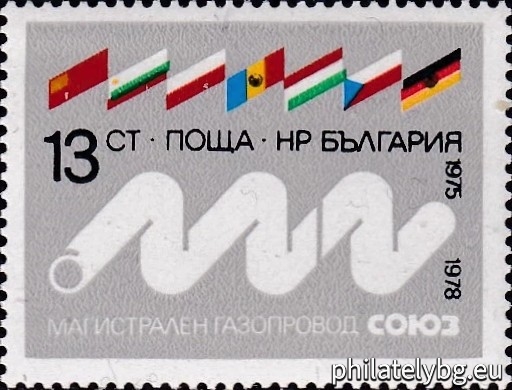
"Soyuz Main Gas Pipeline 1975-1978." - one postage stamp.

Gas pipeline, the national flags of the CMEA participating countries.

🗓️ On This Date 03 October 1984

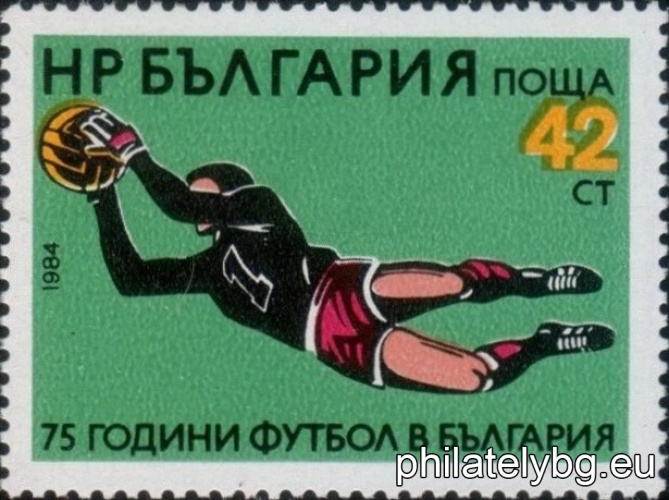
"75 years of football in Bulgaria." - one postage stamp.

Goalkeeper dive.

On This Date ›

Events

05.09.2026 PRAGA 2028 – Specialized World Stamp Exhibition

Events | PRAGA 2028 – Specialized World Stamp Exhibition

From 22 to 26 March 2028, Prague will once again host a world stamp exhibition. PRAGA 2028 will take place in the Průmyslový palác at the Výstaviště exhibition grounds in the Bubeneč district and will present approximately 2,500 exhibition frames. The organize...
Read →
All Events →

News

28.09.2026 SRBIJAFILA XVI Belgrade Marks a Double Anniversary

News | SRBIJAFILA XVI Belgrade Marks a Double Anniversary

From 7 to 11 October 2026, Belgrade will host SRBIJAFILA XVI - the Sixteenth National Philatelic Exhibition of Serbia with International Participation. It is organised by Post of Serbia together with the Union of Philatelists of Serbia, and the exhibition has ...
Read →
24.09.2026 EGYPHILA 2026 – Cairo Back on the Philatelic Map

News | EGYPHILA 2026 – Cairo Back on the Philatelic Map

The third edition of EGYPHILA 2026 was held from 17 to 19 September in Giza, at the Digital Egypt Innovation Centre "Creativa," next to Cairo University. The organiser was the Philatelic Society of Egypt, and the three days were devoted to stamps, postal histo...
Read →
All News →

Video Materials

100 Years of Airmail in Bulgaria

SRBIJAFILA XVI video

World Stamp Exhibition PRAGA 2028

All Videos →

Knowledge

All Knowledge →